



Полная версия
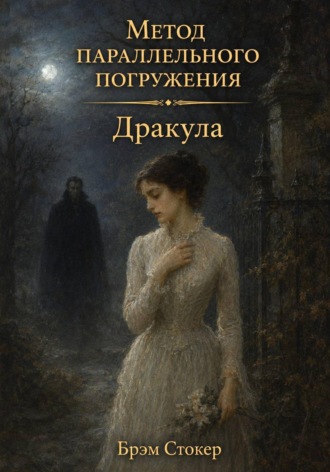
Дракула: метод параллельного погружения


“But, Count,” I said, (“Но, Граф,” — сказал я,) “you know and speak English thoroughly!” (“вы ведь прекрасно знаете и говорите по-английски!”) He bowed gravely. (Он серьёзно поклонился; gravely — серьёзно.)
“I thank you, my friend, (“Благодарю вас, мой друг,) for your all too-flattering estimate, (за вашу чересчур льстивую оценку; flattering — льстивый.) but yet I fear that I am but a little way (но всё же я боюсь, что я лишь немного продвинулся) on the road I would travel. (на пути, по которому хотел бы идти.) True, I know the grammar and the words, (Верно, я знаю грамматику и слова,) but yet I know not how to speak them.” (но всё же я не знаю, как говорить ими.)
“Indeed,” I said, (“В самом деле,” — сказал я,) “you speak excellently.” (“вы говорите превосходно.”)
“But, Count,” I said, “you know and speak English thoroughly!” He bowed gravely.
“I thank you, my friend, for your all too-flattering estimate, but yet I fear that I am but a little way on the road I would travel. True, I know the grammar and the words, but yet I know not how to speak them.”
“Indeed,” I said, “you speak excellently.”
“Not so,” he answered. (“Отнюдь нет,” — ответил он.) “Well, I know that, (“Что ж, я знаю, что,) did I move and speak in your London, (если бы я двигался и говорил в вашем Лондоне,) none there are who would not know me for a stranger. (не нашлось бы никого, кто не узнал бы во мне чужака.) That is not enough for me. (Этого для меня недостаточно.) Here I am noble; (Здесь я — дворянин;) I am boyar; (я — боярин;) the common people know me, (простой народ знает меня,) and I am master. (и я — хозяин.) But a stranger in a strange land, (Но чужак в чужой земле,) he is no one; (он — никто,) men know him not— (люди не знают его —) and to know not is to care not for. (а не знать — значит не заботиться; to care not for — не принимать во внимание.) I am content if I am like the rest, (Я доволен, если я как все,) so that no man stops if he see me, (лишь бы никто не останавливался, увидев меня,) or pause in his speaking if he hear my words, (или не делал паузы в речи, услышав мои слова,) ‘Ha, ha! a stranger!’ (“Ха, ха! Чужак!”) I have been so long master (Я так долго был хозяином,) that I would be master still— (что хочу оставаться хозяином и впредь —) or at least that none other should be master of me. (или, по крайней мере, чтобы никто другой не был хозяином надо мной.)
“Not so,” he answered. “Well, I know that, did I move and speak in your London, none there are who would not know me for a stranger. That is not enough for me. Here I am noble; I am boyar; the common people know me, and I am master. But a stranger in a strange land, he is no one; men know him not—and to know not is to care not for. I am content if I am like the rest, so that no man stops if he see me, or pause in his speaking if he hear my words, ‘Ha, ha! a stranger!’ I have been so long master that I would be master still—or at least that none other should be master of me.
You come to me not alone as agent of my friend Peter Hawkins, of Exeter, (“Вы приходите ко мне не только как представитель моего друга Питера Хокинса из Эксетера,) to tell me all about my new estate in London. (чтобы рассказать мне всё о моём новом поместье в Лондоне.) You shall, I trust, rest here with me awhile, (Вы будете, я надеюсь, отдыхать здесь со мной некоторое время,) so that by our talking (чтобы благодаря нашим разговорам) I may learn the English intonation; (я мог научиться английской интонации; intonation — интонация.) and I would that you tell me (и я хотел бы, чтобы вы говорили мне) when I make error, (когда я допускаю ошибку,) even of the smallest, in my speaking. (даже самую малую, в моей речи.) I am sorry that I had to be away so long to-day; (Мне жаль, что сегодня мне пришлось так надолго отсутствовать;) but you will, I know, forgive one (но вы, я знаю, простите того,) who has so many important affairs in hand.” (у кого так много важных дел; affairs — дела.)
You come to me not alone as agent of my friend Peter Hawkins, of Exeter, to tell me all about my new estate in London. You shall, I trust, rest here with me awhile, so that by our talking I may learn the English intonation; and I would that you tell me when I make error, even of the smallest, in my speaking. I am sorry that I had to be away so long to-day; but you will, I know, forgive one who has so many important affairs in hand.”
Of course I said all I could about being willing, (Разумеется, я сказал всё, что мог, выражая готовность; willing — готовый.) and asked if I might come into that room when I chose. (и спросил, могу ли я входить в ту комнату, когда пожелаю.) He answered: “Yes, certainly,” (Он ответил: “Да, разумеется,”) and added:— (и добавил:)
“You may go anywhere you wish in the castle, (“Вы можете ходить куда угодно в замке,) except where the doors are locked, (кроме тех мест, где двери заперты,) where of course you will not wish to go. (куда, конечно, вы не станете стремиться попасть.) There is reason that all things are as they are, (Есть причина, по которой всё устроено так, как устроено,) and did you see with my eyes (и если бы вы видели моими глазами,) and know with my knowledge, (и знали моими знаниями,) you would perhaps better understand.” (вы, возможно, лучше бы поняли.”) I said I was sure of this, (Я сказал, что уверен в этом,) and then he went on:— (и тогда он продолжил:)
Of course I said all I could about being willing, and asked if I might come into that room when I chose. He answered: “Yes, certainly,” and added:—
“You may go anywhere you wish in the castle, except where the doors are locked, where of course you will not wish to go. There is reason that all things are as they are, and did you see with my eyes and know with my knowledge, you would perhaps better understand.” I said I was sure of this, and then he went on:—
“We are in Transylvania; (“Мы находимся в Трансильвании,) and Transylvania is not England. (и Трансильвания — это не Англия.) Our ways are not your ways, (Наши обычаи — не ваши обычаи,) and there shall be to you many strange things. (и вам встретится много странного.) Nay, from what you have told me of your experiences already, (Нет, судя по тому, что вы уже рассказали мне о своих впечатлениях,) you know something of what strange things there may be.” (вы уже знаете кое-что о том, какие странные вещи могут случаться.)
“We are in Transylvania; and Transylvania is not England. Our ways are not your ways, and there shall be to you many strange things. Nay, from what you have told me of your experiences already, you know something of what strange things there may be.”
This led to much conversation; (Это привело к долгой беседе; led to — привело к.) and as it was evident that he wanted to talk, (и так как было очевидно, что он хотел говорить,) if only for talking’s sake, (пусть даже просто ради самого разговора; for talking’s sake — ради разговора,) I asked him many questions (я задал ему много вопросов,) regarding things that had already happened to me (касающихся того, что уже произошло со мной,) or come within my notice. (или попало в поле моего внимания; come within my notice — привлечь внимание.) Sometimes he sheered off the subject, (Иногда он уклонялся от темы; sheered off — резко сменить тему,) or turned the conversation by pretending not to understand; (или переводил разговор, притворяясь, что не понимает;) but generally he answered all I asked most frankly. (но обычно он отвечал на всё, что я спрашивал, весьма откровенно; frankly — откровенно.) Then as time went on, (Затем, по мере того как шло время,) and I had got somewhat bolder, (и я стал несколько смелее,) I asked him of some of the strange things of the preceding night, (я спросил его о некоторых странных вещах прошедшей ночи,) as, for instance, (например,) why the coachman went to the places where he had seen the blue flames. (почему кучер ездил к местам, где он видел голубые огоньки; flames — огоньки.)
This led to much conversation; and as it was evident that he wanted to talk, if only for talking’s sake, I asked him many questions regarding things that had already happened to me or come within my notice. Sometimes he sheered off the subject, or turned the conversation by pretending not to understand; but generally he answered all I asked most frankly. Then as time went on, and I had got somewhat bolder, I asked him of some of the strange things of the preceding night, as, for instance, why the coachman went to the places where he had seen the blue flames.
He then explained to me (Тогда он объяснил мне,) that it was commonly believed (что существует распространённое поверье,) that on a certain night of the year— (что в определённую ночь года —) last night, in fact, (а именно прошлой ночью,) when all evil spirits are supposed to have unchecked sway— (когда считается, что все злые духи имеют неограниченную власть; unchecked sway — бесконтрольная власть,) a blue flame is seen (виднеется голубое пламя,) over any place where treasure has been concealed. (над любым местом, где был спрятан клад; concealed — скрытый.)
He then explained to me that it was commonly believed that on a certain night of the year—last night, in fact, when all evil spirits are supposed to have unchecked sway—a blue flame is seen over any place where treasure has been concealed.
“That treasure has been hidden,” he went on, (“То, что клады были спрятаны, — продолжал он,) “in the region through which you came last night, (в местности, через которую вы ехали прошлой ночью,) there can be but little doubt; (в этом едва ли можно сомневаться;) for it was the ground fought over for centuries (ибо это земля, за которую столетиями сражались) by the Wallachian, the Saxon, and the Turk. (валахи, саксы и турки.) Why, there is hardly a foot of soil in all this region (Ведь в этой всей местности едва ли найдётся хоть пядь земли,) that has not been enriched by the blood of men, (которая не была бы обогащена кровью людей,) patriots or invaders. (патриотов или захватчиков; invaders — захватчики.) In old days there were stirring times, (В давние времена были бурные дни; stirring — волнительно-бурный.) when the Austrian and the Hungarian came up in hordes, (когда австрийцы и венгры приходили ордами,) and the patriots went out to meet them— (и патриоты выходили навстречу им —) men and women, the aged and the children too— (мужчины и женщины, старики, и даже дети —) and waited their coming on the rocks above the passes, (и ждали их приближения на скалах над перевалами,) that they might sweep destruction on them (чтобы обрушить на них гибель) with their artificial avalanches. (с помощью искусственных лавин; artificial — искусственный.) When the invader was triumphant (Когда захватчик одерживал победу,) he found but little, (он находил весьма немногое,) for whatever there was had been sheltered (ибо всё, что было,) in the friendly soil.” (было укрыто в дружественной земле; sheltered — укрытый.)
“That treasure has been hidden,” he went on, “in the region through which you came last night, there can be but little doubt; for it was the ground fought over for centuries by the Wallachian, the Saxon, and the Turk. Why, there is hardly a foot of soil in all this region that has not been enriched by the blood of men, patriots or invaders. In old days there were stirring times, when the Austrian and the Hungarian came up in hordes, and the patriots went out to meet them—men and women, the aged and the children too—and waited their coming on the rocks above the passes, that they might sweep destruction on them with their artificial avalanches. When the invader was triumphant he found but little, for whatever there was had been sheltered in the friendly soil.”
“But how,” said I, (“Но как же,” — сказал я,) “can it have remained so long undiscovered, (“как это могло оставаться столь долго неоткрытым,) when there is a sure index to it (когда существует надёжный указатель на него; index — указатель,) if men will but take the trouble to look?” (если люди лишь удосужатся взглянуть?”) The Count smiled, (Граф улыбнулся,) and as his lips ran back over his gums, (и когда его губы оттянулись назад, обнажая дёсны,) the long, sharp, canine teeth showed out strangely; (длинные, острые клыки странно выступили наружу; canine — клыковый.) he answered:— (он ответил:)
“But how,” said I, “can it have remained so long undiscovered, when there is a sure index to it if men will but take the trouble to look?” The Count smiled, and as his lips ran back over his gums, the long, sharp, canine teeth showed out strangely; he answered:—
“Because your peasant is at heart a coward and a fool! (“Потому что ваш крестьянин в глубине души трус и глупец!; coward — трус.) Those flames only appear on one night; (Эти огоньки появляются лишь в одну ночь,) and on that night no man of this land will, if he can help it, stir without his doors. (и в ту ночь никто из людей этой земли, если может избежать, не выйдет за порог; stir — выходить, двигаться.) And, dear sir, even if he did (И, дорогой сэр, даже если бы он и вышел,) he would not know what to do. (он бы не знал, что делать.) Why, even the peasant that you tell me of (Да что там, даже тот крестьянин, о котором вы мне рассказывали,) who marked the place of the flame (который отметил место, где был огонёк,) would not know where to look in daylight (не знал бы, где искать днём,) even for his own work. (даже если дело касается его собственного труда.) Even you would not, I dare be sworn, (Даже вы, зуб даю,) be able to find these places again?” (не смогли бы снова найти эти места?”)
“Because your peasant is at heart a coward and a fool! Those flames only appear on one night; and on that night no man of this land will, if he can help it, stir without his doors. And, dear sir, even if he did he would not know what to do. Why, even the peasant that you tell me of who marked the place of the flame would not know where to look in daylight even for his own work. Even you would not, I dare be sworn, be able to find these places again?”
“There you are right,” I said. (“Тут вы правы,” — сказал я.) “I know no more than the dead (“Я не знаю больше мертвеца) where even to look for them.” (где даже начать искать их.”) Then we drifted into other matters. (Затем мы перешли на другие темы; drifted — незаметно сменили тему.)
“There you are right,” I said. “I know no more than the dead where even to look for them.” Then we drifted into other matters.
“Come,” he said at last, (“Ну же,” — сказал он наконец,) “tell me of London and of the house which you have procured for me.” (“расскажите мне о Лондоне и о доме, который вы приобрели для меня.”; procured — приобрёл.) With an apology for my remissness, (Извинившись за свою нерадивость; remissness — беспечность, невнимательность,) I went into my own room to get the papers from my bag. (я пошёл в свою комнату за документами в моей сумке.) Whilst I was placing them in order (Пока я раскладывал их по порядку; placing them in order — приводя в порядок,) I heard a rattling of china and silver in the next room, (я услышал звяканье фарфора и серебра в соседней комнате; china — фарфор, rattling — звонкий звук.) and as I passed through, (и когда я прошёл через неё,) noticed that the table had been cleared (заметил, что стол был убран,) and the lamp lit, (а лампа зажжена,) for it was by this time deep into the dark. (ибо к этому времени уже наступила глубокая ночь; deep into the dark — глубоко в ночи.)
“Come,” he said at last, “tell me of London and of the house which you have procured for me.” With an apology for my remissness, I went into my own room to get the papers from my bag. Whilst I was placing them in order I heard a rattling of china and silver in the next room, and as I passed through, noticed that the table had been cleared and the lamp lit, for it was by this time deep into the dark.
The lamps were also lit in the study or library, (Лампы также были зажжены в кабинете или библиотеке,) and I found the Count lying on the sofa, (и я застал Графа, лежащего на софе,) reading, of all things in the world, an English Bradshaw’s Guide. (читающего, из всех вещей на свете, английский справочник Брэдшо.) When I came in he cleared the books and papers from the table; (Когда я вошёл, он убрал со стола книги и бумаги,) and with him I went into plans and deeds and figures of all sorts. (и вместе с ним занялся планами, юридическими актами и всевозможными цифрами.) He was interested in everything, (Он интересовался всем,) and asked me a myriad questions (и задавал мне бесчисленное множество вопросов; myriad — бесчисленное множество) about the place and its surroundings. (о доме и его окрестностях.) He clearly had studied beforehand (Он явно заранее изучил) all he could get on the subject of the neighbourhood, (всё, что мог достать о местности,) for he evidently at the end knew very much more than I did. (ибо в итоге он явно знал куда больше, чем я.) When I remarked this, (Когда я заметил это,) he answered:— (он ответил:)
The lamps were also lit in the study or library, and I found the Count lying on the sofa, reading, of all things in the world, an English Bradshaw’s Guide. When I came in he cleared the books and papers from the table; and with him I went into plans and deeds and figures of all sorts. He was interested in everything, and asked me a myriad questions about the place and its surroundings. He clearly had studied beforehand all he could get on the subject of the neighbourhood, for he evidently at the end knew very much more than I did. When I remarked this, he answered:—
“Well, but, my friend, is it not needful that I should? (“Что ж, мой друг, разве не необходимо, чтобы я так поступал?) When I go there I shall be all alone, (Когда я приеду туда, я буду совершенно один,) and my friend Harker Jonathan— (и мой друг Харкер Джонатан —) nay, pardon me, I fall into my country’s habit of putting your patronymic first— (нет, прошу простить, я впадаю в привычку моей страны ставить отчество первым,) my friend Jonathan Harker (мой друг Джонатан Харкер) will not be by my side to correct and aid me. (не будет рядом, чтобы поправлять меня и помогать мне.) He will be in Exeter, miles away, (Он будет в Эксетере, в милях отсюда,) probably working at papers of the law (вероятно, работая над юридическими документами; papers of the law — юридические бумаги) with my other friend, Peter Hawkins. (вместе с моим другим другом, Питером Хокинсом.) So!” (“Вот так!”)
“Well, but, my friend, is it not needful that I should? When I go there I shall be all alone, and my friend Harker Jonathan—nay, pardon me, I fall into my country’s habit of putting your patronymic first—my friend Jonathan Harker will not be by my side to correct and aid me. He will be in Exeter, miles away, probably working at papers of the law with my other friend, Peter Hawkins. So!”
We went thoroughly into the business of the purchase of the estate at Purfleet. (Мы тщательно разобрали дело о покупке поместья в Пёрфлите; thoroughly — тщательно.) When I had told him the facts (Когда я сообщил ему все факты,) and got his signature to the necessary papers, (и получил его подпись на необходимых документах,) and had written a letter with them ready to post to Mr. Hawkins, (и написал сопроводительное письмо, чтобы отправить его мистеру Хокинсу,) he began to ask me how I had come across so suitable a place. (он начал спрашивать меня, как я нашёл столь подходящее место; come across — наткнуться, найти.) I read to him the notes which I had made at the time, (Я прочитал ему записи, которые сделал тогда,) and which I inscribe here:— (и которые привожу здесь:)
We went thoroughly into the business of the purchase of the estate at Purfleet. When I had told him the facts and got his signature to the necessary papers, and had written a letter with them ready to post to Mr. Hawkins, he began to ask me how I had come across so suitable a place. I read to him the notes which I had made at the time, and which I inscribe here:—
“At Purfleet, on a by-road, (“В Пёрфлите, на просёлочной дороге,) I came across just such a place as seemed to be required, (я наткнулся как раз на такое место, какое, казалось, требовалось; came across — случайно обнаружил,) and where was displayed a dilapidated notice (и там был выставлен обветшавший указатель; dilapidated — полуразрушенный, обветшавший,) that the place was for sale. (сообщавший, что место продаётся.) It is surrounded by a high wall, (Оно окружено высокой стеной,) of ancient structure, (древней постройки,) built of heavy stones, (сложенной из тяжёлых камней,) and has not been repaired for a large number of years. (и не ремонтировалось многие годы.) The closed gates are of heavy old oak and iron, (Закрытые ворота сделаны из тяжёлого старого дуба и железа,) all eaten with rust. (всё проедено ржавчиной; eaten with rust — изъедено ржавчиной.)
“At Purfleet, on a by-road, I came across just such a place as seemed to be required, and where was displayed a dilapidated notice that the place was for sale. It is surrounded by a high wall, of ancient structure, built of heavy stones, and has not been repaired for a large number of years. The closed gates are of heavy old oak and iron, all eaten with rust.