


Полная версия
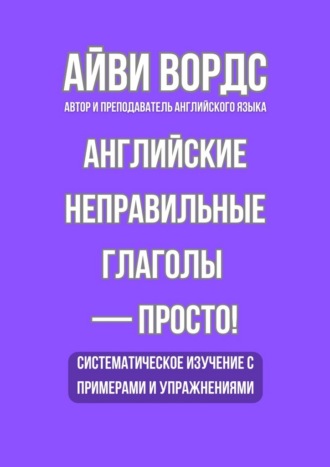
Английские неправильные глаголы – просто! Систематическое изучение с примерами и упражнениями
Later, John drove back home and came quickly to the living room to have lunch. He had seen a report about the traffic, so he left early to avoid delays. After finishing lunch, he took a short break and wrote a summary of the morning tasks. Everything he had done made him feel productive and organized. By the end of the day, he had met all his deadlines and found time to plan the next workday.
Useful Words and Expressions
Go to work – идти на работу
Come to the office – приходить в офис
Drive a car – водить машину
Take a train – ехать на поезде
Get to work – добираться до работы
See a colleague – видеть коллегу
Meet the team – встречаться с командой
Write notes – писать заметки
Begin a meeting – начинать встречу
Find files – находить файлы
Email – электронное письмо
Assignment – задание
Project – проект
Supervisor – руководитель
Deadline – срок выполнения
Summary – резюме
Break – перерыв
Traffic – движение, пробки
Office – офис
Productive – продуктивный
Exercises
Exercise 1: Fill in the blanks
Use the correct form of the verb (Infinitive / Past Simple / Past Participle).
I _____ (go) to work by bus yesterday.
She has _____ (begin) a new project.
He _____ (write) an email to his supervisor.
They have _____ (meet) the new manager.
I _____ (find) all the necessary documents.
Exercise 2: Matching (answers mixed)
Match the infinitive with the correct Past Simple and Past Participle:
Infinitive:
take
see
get
meet
begin
Past Simple / Past Participle:
a) met – met
b) got – got
c) began – begun
d) took – taken
e) saw – seen
Exercise 3: Personal Questions
Answer in 2—3 sentences using at least one irregular verb from the chapter.
How do you usually go to work?
Have you ever met a new colleague recently?
What did you write at work yesterday?
When did your last meeting begin?
Have you found an important document at work recently?
Answer Key
Exercise 1
went
begun
wrote
met
found
Exercise 2
1 – d
2 – e
3 – b
4 – a
5 – c
Exercise 3 Example Answers
I usually go to work by bus. I have gone to work early this week too.
Yes, I met a new colleague yesterday. I have met several new employees recently.
I wrote a report and some notes for the project. I have written emails to my supervisor too.
My last meeting began at 10 a.m. It has begun on time every day this week.
I found an important file on my desk yesterday. I have found other documents in the office recently.
Meeting Friends
Irregular Verbs Focus
Выбранные неправильные глаголы для встреч и общения:
meet – met – met, see – saw – seen, come – came – come, bring – brought – brought, say – said – said, get – got – got, take – took – taken, find – found – found, tell – told – told, go – went – gone
meet – met – met
Используется для встреч с людьми.
I met my friends at the café yesterday. – Я встретился с друзьями в кафе вчера.
She has met many new people this week. – Она познакомилась со многими новыми людьми на этой неделе.
see – saw – seen
Используется для видения или наблюдения.
I saw my friend at the park. – Я увидел друга в парке.
They have seen each other recently. – Они виделись недавно.
come – came – come
Используется для прихода.
He came to the party late. – Он пришёл на вечеринку поздно.
My friends have come early today. – Мои друзья пришли сегодня рано.
bring – brought – brought
Используется для принесения чего-либо.
I brought some snacks for the meeting. – Я принес закуски на встречу.
She has brought a gift for her friend. – Она принесла подарок для друга.
say – said – said
Используется для выражения слов или реплик.
He said hello to everyone. – Он поздоровался со всеми.
I have said many nice things to my friends. – Я сказал своим друзьям много приятных слов.
get – got – got
Используется для достижения чего-либо или получения.
I got a message from my friend. – Я получил сообщение от друга.
They have got invitations to the party. – Они получили приглашения на вечеринку.
take – took – taken
Используется для участия в активности или взятия чего-либо.
I took my camera to the picnic. – Я взял камеру на пикник.
She has taken many photos at the event. – Она сделала много фотографий на мероприятии.
find – found – found
Используется для нахождения кого-либо или чего-либо.
I found my friends at the coffee shop. – Я нашёл друзей в кафе.
They have found a quiet place to sit. – Они нашли тихое место, чтобы сесть.
tell – told – told
Используется для рассказа информации или истории.
I told my friend about my day. – Я рассказал другу о своём дне.
She has told us an interesting story. – Она рассказала нам интересную историю.
go – went – gone
Используется для движения к месту встречи.
I went to the café with my friends. – Я пошёл в кафе с друзьями.
They have gone to the park to meet others. – Они пошли в парк встретиться с другими.
Советы по запоминанию:
Группировать по типу действия: приход/движение (come, go, get), общение (say, tell), встречи и действия с предметами (meet, bring, take, find, see).
Повторять с короткими предложениями: «I met, I saw, I told, I brought».
Использовать реальные ситуации: встреча с друзьями, прогулка, кафе.
Story
Last Saturday, Anna went to meet her friends at the park. She got there early and found a nice spot under a tree. Soon, her friends came, and she met them with a big smile. Tom brought some snacks, and Lisa took her camera to take photos.
During the afternoon, they saw many people walking and enjoying the sun. Anna told a funny story about her week, and everyone laughed. They said many nice things to each other and shared memories from school.
Later, they went to a nearby café. Anna got her favorite coffee, and her friends brought desserts to share. They found a quiet table and continued to chat. By the end of the day, everyone had taken lots of pictures, met new friends, and had a wonderful time. Anna felt happy because she had seen her friends, shared stories, and enjoyed the afternoon.
Useful Words and Expressions
Meet friends – встречаться с друзьями
See someone – видеть кого-либо
Come to the park – приходить в парк
Bring snacks – приносить закуски
Say hello – здороваться
Get a message – получать сообщение
Take photos – делать фотографии
Find a spot – находить место
Tell a story – рассказывать историю
Go to the café – идти в кафе
Chat – общаться
Share memories – делиться воспоминаниями
Favorite coffee – любимый кофе
Dessert – десерт
Smile – улыбка
Laugh – смеяться
Afternoon – послеобеденное время
Enjoy – наслаждаться
People – люди
Time – время
Exercises
Exercise 1: Fill in the blanks
Use the correct form of the verb (Infinitive / Past Simple / Past Participle).
I _____ (meet) my friends at the park yesterday.
She has _____ (bring) some snacks for everyone.
He _____ (tell) a funny story during the meeting.
We have _____ (see) new people in the café.
I _____ (go) to the park with my friends last Saturday.
Exercise 2: Matching (answers mixed)
Match the infinitive with the correct Past Simple and Past Participle:
Infinitive:
get
come
take
say
find
Past Simple / Past Participle:
a) came – come
b) got – got
c) said – said
d) taken – took
e) found – found
Exercise 3: Personal Questions
Answer in 2—3 sentences using at least one irregular verb from the chapter.
When did you last meet your friends?
Have you ever told a funny story to your friends?
Did you bring or take anything to a meeting recently?
Have you seen someone you know recently?
Where did you go to meet your friends last time?
Answer Key
Exercise 1
met
brought
told
seen
went
Exercise 2
1 – b
2 – a
3 – d
4 – c
5 – e
Exercise 3 Example Answers
I met my friends at the park last weekend. I have met them several times this month.
Yes, I told a funny story yesterday. I have told many stories to my friends before.
I brought some snacks to the meeting. I have taken photos too.
I saw my classmate in the café yesterday. I have seen her many times before.
I went to the local café to meet my friends. We have gone there several times this year.
Traveling Abroad
Irregular Verbs Focus
Выбранные неправильные глаголы для путешествий и транспорта:
go – went – gone, fly – flew – flown, take – took – taken, get – got – got, come – came – come, meet – met – met, see – saw – seen, bring – brought – brought, buy – bought – bought, find – found – found
go – went – gone
Используется для поездок куда-либо.
I went to Italy last summer. – Я ездил в Италию прошлым летом.
She has gone to France for a business trip. – Она уехала во Францию по делам.
fly – flew – flown
Используется для полетов на самолёте.
I flew to New York yesterday. – Я полетел в Нью-Йорк вчера.
They have flown to Spain many times. – Они много раз летали в Испанию.
take – took – taken
Используется для транспорта или участия в путешествии.
I took a taxi to the airport. – Я взял такси до аэропорта.
She has taken the train to Berlin. – Она поехала на поезде в Берлин.
get – got – got
Используется для достижения места или получения билета.
I got to the hotel late at night. – Я добрался до отеля поздно ночью.
They have got their tickets already. – Они уже получили билеты.
come – came – come
Используется для приезда или прихода.
My friends came to the airport to see me off. – Мои друзья пришли в аэропорт, чтобы проводить меня.
He has come to the station early. – Он пришёл на вокзал рано.
meet – met – met
Используется для встречи с людьми.
I met new people on the trip. – Я встретил новых людей в путешествии.
She has met other tourists at the hotel. – Она познакомилась с другими туристами в отеле.
see – saw – seen
Используется для осмотра достопримечательностей.
I saw the Eiffel Tower last year. – Я видел Эйфелеву башню в прошлом году.
They have seen many museums in Rome. – Они посетили много музеев в Риме.
bring – brought – brought
Используется для принесения вещей или сувениров.
I brought a souvenir from Paris. – Я привёз сувенир из Парижа.
They have brought gifts for their friends. – Они привезли подарки для друзей.
buy – bought – bought
Используется для покупки билетов, сувениров или еды.
I bought a ticket for the train. – Я купил билет на поезд.
She has bought souvenirs for her family. – Она купила сувениры для семьи.
find – found – found
Используется для нахождения чего-либо важного во время путешествия.
I found my passport in my bag. – Я нашёл паспорт в сумке.
They have found a good hotel near the beach. – Они нашли хороший отель рядом с пляжем.
Советы по запоминанию:
Группировать по действиям: транспорт (go, fly, take, get, come), встречи и осмотр (meet, see, find), покупки и вещи (buy, bring).
Повторять с короткими предложениями: «I went, I flew, I bought».
Представлять последовательность поездки: добраться, увидеть, встретить, купить сувенир.
Story
Last summer, Emma went on a trip to Italy. She flew from London to Rome and got to her hotel late in the evening. The next day, she took a bus to the city center and met some other tourists. She saw the Colosseum and took many photos.
In the afternoon, Emma brought a map and bought a ticket for a guided tour. She found a small café near the museum and had lunch there. Later, she met a local guide and learned about the history of the city. She saw many beautiful streets and historic buildings and took notes in her travel journal.
At the end of the day, Emma went back to the hotel. She had bought some souvenirs for her family and brought gifts for her friends. She found everything she needed for the next day’s excursion. By the evening, she had seen most of the main attractions and met interesting people from different countries. Traveling abroad gave her wonderful memories and experience. She has gone on many trips before, but this one was especially exciting.
Useful Words and Expressions
Go on a trip – ехать в поездку
Fly – лететь
Take a bus/train/taxi – ехать на автобусе/поезде/такси
Get to the hotel – добраться до отеля
Come to the airport – приходить в аэропорт
Meet tourists – встречать туристов
See landmarks – видеть достопримечательности
Bring souvenirs – приносить сувениры
Buy tickets – покупать билеты
Find a hotel – находить отель
Map – карта
Guided tour – экскурсия с гидом
Lunch – обед
Travel journal – туристический дневник
Streets – улицы
Historic buildings – исторические здания
Family – семья
Friends – друзья
Memories – воспоминания
Exciting – захватывающий
Exercises
Exercise 1: Fill in the blanks
Use the correct form of the verb (Infinitive / Past Simple / Past Participle).
I _____ (fly) to Rome last summer.
She has _____ (buy) souvenirs for her family.
He _____ (see) the Colosseum yesterday.
They have _____ (meet) new tourists at the hotel.
I _____ (find) my passport in my bag.
Exercise 2: Matching (answers mixed)
Match the infinitive with the correct Past Simple and Past Participle:
Infinitive:
go
bring
take
get
come
Past Simple / Past Participle:
a) brought – brought
b) went – gone
c) came – come
d) got – got
e) took – taken
Exercise 3: Personal Questions
Answer in 2—3 sentences using at least one irregular verb from the chapter.
Where did you go on your last trip?
Have you ever flown on a plane?
Did you meet anyone interesting during your travels?
Have you bought souvenirs for someone recently?
Did you find anything unexpected while traveling?
Answer Key
Exercise 1
flew
bought
saw
met
found
Exercise 2
1 – b
2 – a
3 – e
4 – d
5 – c
Exercise 3 Example Answers
I went to Spain last summer. I have gone there several times before.
Yes, I flew to Paris last year. I have flown many times in my life.
I met some friendly tourists at the hotel. I have met interesting people on trips before.
I bought souvenirs for my family in Rome. I have bought gifts for friends on other trips too.
I found a small café near the museum. I have found many interesting places while traveling.
Shopping and Spending
Irregular Verbs Focus
Выбранные неправильные глаголы для покупок и денег:
buy – bought – bought, pay – paid – paid, take – took – taken, get – got – got, find – found – found, choose – chose – chosen, sell – sold – sold, bring – brought – brought, come – came – come, see – saw – seen
buy – bought – bought
Используется для покупки товаров.
I bought a new shirt yesterday. – Я купил новую рубашку вчера.
She has bought a lot of gifts for the holidays. – Она купила много подарков к праздникам.
pay – paid – paid
Используется для оплаты.
I paid for the groceries at the supermarket. – Я оплатил продукты в супермаркете.
They have paid the bill already. – Они уже оплатили счёт.
take – took – taken
Используется для взятия товаров или участия в покупке.
I took a basket in the store. – Я взял корзину в магазине.
She has taken some clothes to try on. – Она взяла несколько вещей, чтобы примерить.
get – got – got
Используется для получения покупки или скидки.
I got a discount on the shoes. – Я получил скидку на обувь.
He has got his package from the delivery service. – Он получил свою посылку из доставки.
find – found – found
Используется для нахождения нужного товара.
I found the dress I wanted. – Я нашла платье, которое хотела.
They have found the best deals online. – Они нашли лучшие предложения в интернете.
choose – chose – chosen
Используется для выбора товара.
I chose a red bag in the shop. – Я выбрал красную сумку в магазине.
She has chosen the best quality fruits. – Она выбрала фрукты лучшего качества.
sell – sold – sold
Используется для продажи.
The store sold many items yesterday. – Магазин продал много товаров вчера.
He has sold his old laptop online. – Он продал свой старый ноутбук онлайн.
bring – brought – brought
Используется для принесения покупок домой.
I brought all the groceries home. – Я принёс все продукты домой.
They have brought new furniture into the apartment. – Они принесли новую мебель в квартиру.
come – came – come
Используется для прихода в магазин или к покупателю.
My friend came to the store with me. – Мой друг пришёл со мной в магазин.
The delivery has come already. – Доставка уже пришла.
see – saw – seen
Используется для наблюдения товаров или цен.
I saw a beautiful jacket in the shop window. – Я увидел красивую куртку в витрине.
She has seen many sales online this week. – Она видела много распродаж в интернете на этой неделе.
Советы по запоминанию:
Группировать по действиям: покупки и выбор (buy, choose, find, see), оплата и получение (pay, get, bring, come, take), продажи (sell).
Повторять с короткими предложениями: «I bought, I paid, I brought».
Представлять реальную последовательность покупок: пришёл – выбрал – купил – принёс.
Story
Last Saturday, Alex went shopping in the city center. He took a basket in the store and found some clothes he liked. He chose a blue jacket and some shirts. Then, he saw a sale on shoes and bought a new pair.
At the checkout, he paid for all his items and got a discount for being a regular customer. He brought the shopping bags home and showed his purchases to his family. Later, his friend came to visit, and they saw a new shop nearby. Alex told his friend about the good deals he had found.
In the afternoon, Alex sold some old books online and got money for them. He also bought some groceries for the week. Everything he had taken from the store made him feel satisfied and organized. By the evening, he had chosen all the items he needed, paid for them, and brought them home. Shopping was tiring but enjoyable, and Alex had seen many new things in the stores.
Useful Words and Expressions
Go shopping – ходить за покупками
Buy – покупать
Pay – платить
Take a basket – взять корзину
Get a discount – получить скидку
Find items – находить товары
Choose clothes – выбирать одежду
See a sale – видеть распродажу
Bring bags home – приносить сумки домой
Come to the store – приходить в магазин
Checkout – касса
Show purchases – показывать покупки
Old books – старые книги
Sell online – продавать онлайн
Grocery – продукты
Family – семья
Friend – друг
Satisfied – довольный
Organized – организованный
Tiring – утомительный
Exercises
Exercise 1: Fill in the blanks
Use the correct form of the verb (Infinitive / Past Simple / Past Participle).
I _____ (buy) a new jacket yesterday.
She has _____ (bring) all the groceries home.
He _____ (pay) for his clothes at the checkout.
We have _____ (find) the best deals online.
I _____ (see) a beautiful watch in the shop window.
Exercise 2: Matching (answers mixed)
Match the infinitive with the correct Past Simple and Past Participle:
Infinitive:
choose
take
sell
get
come
Past Simple / Past Participle:
a) got – got
b) chose – chosen
c) sold – sold
d) took – taken
e) came – come
Exercise 3: Personal Questions
Answer in 2—3 sentences using at least one irregular verb from the chapter.
What did you buy recently?
Have you ever found a great deal in a store?
Did you bring something home from shopping yesterday?
Have you paid for something online recently?
Did a friend ever come with you to go shopping?
Answer Key
Exercise 1
bought
brought
paid
found
saw
Exercise 2
1 – b
2 – d
3 – c
4 – a
5 – e
Exercise 3 Example Answers
I bought a new bag yesterday. I have bought clothes online before too.
Yes, I found a great deal on shoes last week. I have found discounts many times before.
I brought some groceries home yesterday. I have brought gifts for my family too.
I paid for my order online yesterday. I have paid for books online several times.
My friend came with me to the mall last weekend. We have come together shopping many times.
School and Study
Irregular Verbs Focus
Выбранные неправильные глаголы для учёбы и школы:
study – studied – studied (регулярный для сравнения), read – read – read, write – wrote – written, take – took – taken, get – got – got, come – came – come, learn – learnt – learnt, find – found – found, meet – met – met, begin – began – begun
read – read – read
Используется для чтения учебников или статей.
I read a chapter of my history book yesterday. – Я прочитал главу из учебника по истории вчера.
She has read all the materials for the exam. – Она прочитала все материалы к экзамену.
write – wrote – written
Используется для написания заданий, эссе или заметок.
I wrote an essay for English class. – Я написал эссе для урока английского.
He has written several reports this week. – Он написал несколько отчётов на этой неделе.