Полная версия
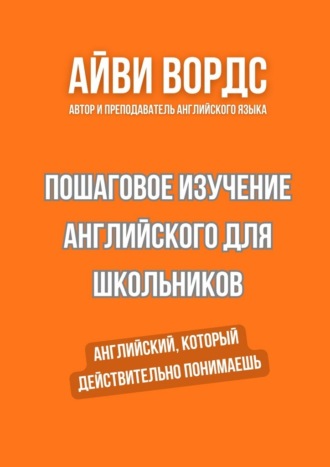
Пошаговое изучение английского для школьников. Английский, который действительно понимаешь
2. Основные предлоги места
in – в, внутри чего-то
The books are in the cupboard. – Книги в шкафу.
on – на поверхности
The plate is on the table. – Тарелка на столе.
under – под
The cat is under the bed. – Кот под кроватью.
next to / beside – рядом с
The chair is next to the desk. – Стул рядом с письменным столом.
behind – за, позади
The broom is behind the door. – Метла за дверью.
in front of – перед
The shoes are in front of the wardrobe. – Обувь перед шкафом.
between – между
The table is between the sofa and the armchair. – Стол между диваном и креслом.
above / over – над
The lamp is above the table. – Лампа над столом.
below / under – под (нижний уровень)
The rug is below the table. – Коврик под столом.
at – у, около
I am at the kitchen sink. – Я у кухонной раковины.
3. Как использовать предлоги
Предлог ставится перед существительным.
После предлога обычно идёт существительное или местоимение.
Некоторые предлоги могут иметь близкие значения, но используются в зависимости от контекста (например, under и below, next to и beside).
Story: Helping at Home
On Saturday morning, I help my parents at home. I usually start in the kitchen. I wash the dishes and put them on the shelf.
Then I sweep the floor. The broom is often behind the door. I also tidy up my room. My books are usually on the desk, and my clothes are in the wardrobe.
In the living room, I arrange the cushions on the sofa and put the magazines on the coffee table. Sometimes I water the plants; they are in front of the window. Helping at home is important because it keeps the house neat and comfortable.
Useful Words and Expressions
kitchen – кухня
living room – гостиная
bedroom – спальня
bookshelf – книжная полка
wardrobe – шкаф
desk – письменный стол
floor – пол
table – стол
sofa – диван
chair – стул
cupboard – шкаф
coffee table – журнальный столик
in – в, внутри
on – на
under – под
next to / beside – рядом с
behind – за, позади
in front of – перед
between – между
above / over – над
Exercises
Exercise 1: Matching
Соотнесите предлог с правильным примером.
in
on
under
behind
next to
a. The lamp is above the table.
b. The shoes are under the bed.
c. The plate is on the table.
d. The cat is in the box.
e. The chair is next to the desk.
Exercise 2: Fill in the blanks
Заполните пропуски подходящим предлогом места.
The broom is __________ the door.
The books are __________ the shelf.
The magazines are __________ the coffee table.
The cushions are __________ the sofa.
The plants are __________ the window.
Exercise 3: Answer the questions
Where do you usually help at home first?
Where do you put clean dishes?
Where are your books in your room?
Where do you sweep the floor?
Where do you arrange the cushions in the living room?
Answer Key
Exercise 1
1 – d
2 – c
3 – b
4 – b (или behind, если по контексту)
5 – e
(примечание: лампа – above, коврик – under, книги – in, стул – next to)
Exercise 2
behind
on
on
on
in front of
Sample Answers to Exercise 3
1. Where do you usually help at home first?
I usually help in the kitchen first. I wash the dishes and clean the table. It helps my parents start the day easier.
2. Where do you put clean dishes?
I put clean dishes on the shelf or in the cupboard. I make sure everything is in its place. This keeps the kitchen tidy.
3. Where are your books in your room?
My books are on the desk or on the bookshelf. I always keep them organized. This helps me find them easily.
4. Where do you sweep the floor?
I sweep the floor in the kitchen, living room, and sometimes in my bedroom. I make sure the floor is clean and safe.
5. Where do you arrange the cushions in the living room?
I arrange the cushions on the sofa. I also put them neatly after guests leave. This makes the living room look comfortable.
My Favorite Place in the City
Grammar Focus: Plural Nouns
1. Что такое множественное число существительных
Множественное число существительных показывает, что речь идёт о двух или более предметах, людях или животных. В английском языке большинство существительных образуют множественное число по правилам:
Конец ознакомительного фрагмента.
Текст предоставлен ООО «Литрес».
Прочитайте эту книгу целиком, купив полную легальную версию на Литрес.
Безопасно оплатить книгу можно банковской картой Visa, MasterCard, Maestro, со счета мобильного телефона, с платежного терминала, в салоне МТС или Связной, через PayPal, WebMoney, Яндекс.Деньги, QIWI Кошелек, бонусными картами или другим удобным Вам способом.