Полная версия
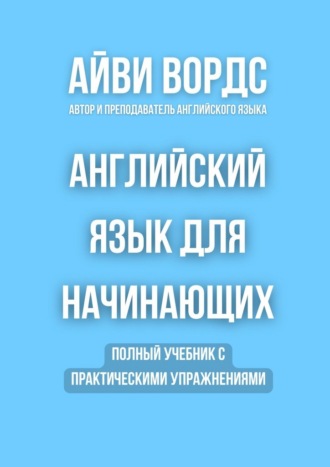
Английский язык для начинающих. Полный учебник с практическими упражнениями

Английский язык для начинающих
Полный учебник с практическими упражнениями
Айви Вордс
© Айви Вордс, 2026
ISBN 978-5-0069-1459-9
Создано в интеллектуальной издательской системе Ridero
Предисловие
Уважаемый читатель,
Эта книга предназначена для начинающих, которые хотят систематически и эффективно изучать английский язык. Основная цель книги – предоставить чёткие объяснения грамматики, словарного запаса и правил использования языка, сопровождаемые практическими примерами и упражнениями, отражающими повседневные ситуации.
Каждая глава посвящена конкретной грамматической теме и включает историю, написанную на уровне A2, чтобы показать использование языка в контексте. Истории специально сделаны простыми, нейтральными и актуальными для взрослых учащихся. Они помогают закреплять грамматику, лексику и структуру предложений, изученных в главе.
Упражнения разработаны так, чтобы развивать понимание текста, закреплять грамматические правила и стимулировать активное использование английского языка, не требуя от начинающих создания сложных предложений. Полные ответы позволяют обучающимся работать самостоятельно и контролировать свои результаты.
Кроме грамматики, книга акцентирует внимание на полезной лексике и выражениях для повседневного общения. Каждая глава также содержит советы и стратегии для более эффективного запоминания правил и слов.
Эта книга может использоваться как самостоятельное пособие или в дополнение к учебным занятиям. Её структурированный подход направлен на формирование уверенности, улучшение понимания английского языка и способность общаться более точно и естественно.
Я надеюсь, что эта книга поможет вам создать прочную базу знаний английского языка и поддержит ваш прогресс в использовании языка с ясностью и уверенностью.
Meeting People
Grammar Focus: Verb to be (am / is / are)
Глагол to be используется, чтобы говорить о личности, профессии, месте, состоянии и общей информации о людях и предметах. В настоящем времени он имеет три формы: am, is, are.
Основные формы
Форма am используется только с местоимением I.
I am from Italy. – Я из Италии.
Форма is используется с he, she, it и с существительными в единственном числе.
He is a manager. – Он менеджер.
Форма are используется с you, we, they и с существительными во множественном числе.
They are colleagues. – Они коллеги.
Отрицательные предложения
Отрицание образуется с помощью слова not, которое ставится после глагола to be.
I am not busy today. – Я не занят сегодня.
She is not at home. – Она не дома.
We are not ready. – Мы не готовы.
В разговорной речи часто используются сокращённые формы: I’m not, he isn’t, they aren’t.
Вопросительные предложения
В вопросах глагол to be ставится перед подлежащим.
Am I late? – Я опоздал?
Is he your colleague? – Он ваш коллега?
Are they from the same company? – Они из одной компании?
Типичные ошибки
Часто путают формы глагола с местоимениями или забывают глагол совсем.
Важно помнить, что в английском предложении глагол обязателен.
Совет
Запомните устойчивую схему:
I – am
He / She / It – is
You / We / They – are
Story: A First Conversation
My name is Daniel, and I am new in the city. The city is large, but the streets are comfortable and clean. Today I am in a small café near my apartment. The place is quiet, and the atmosphere is calm.
The manager is a friendly woman. Her name is Laura. She is polite and helpful. She is from Spain, but now she is in this city for work. The café is her new project, and it is very popular.
Two customers are at the next table. They are colleagues from a nearby office. One man is tired, but relaxed. The other is energetic and talkative. They are not in a hurry.
I am not alone anymore. The people are open, and the conversation is easy. The city is new to me, but it is welcoming. This moment is simple, but it is important. I am in a new place, and I am ready for a new part of my life.
Useful Words and Expressions
city – город
new – новый
place – место
café – кафе
quiet – тихий
atmosphere – атмосфера
manager – менеджер
friendly – дружелюбный
helpful – отзывчивый
customer – клиент
colleague – коллега
tired – уставший
relaxed – расслабленный
energetic – энергичный
conversation – разговор
welcoming – гостеприимный
moment – момент
important – важный
Exercises
Exercise 1. Insert the correct form of to be
I ___ new in the city.
The café ___ quiet and comfortable.
Laura ___ the manager.
They ___ colleagues.
We ___ not in a hurry.
Exercise 2. Choose the correct answer
The people ___ friendly.
a) am
b) is
c) are
I ___ ready for a new start.
a) am
b) is
c) are
The conversation ___ easy.
a) am
b) is
c) are
Exercise 3. Answer the questions
Who is new in the city?
What is the café like?
Who is Laura?
What can we say about the customers?
Why is the moment important for Daniel?
Ответьте на каждый вопрос 2—3 предложениями.
Answer Key
Exercise 1
I am new in the city.
The café is quiet and comfortable.
Laura is the manager.
They are colleagues.
We are not in a hurry.
Exercise 2
c) are
a) am
b) is
Exercise 3
Daniel is new in the city. He has recently arrived and is getting to know the place.
The café is quiet and comfortable. The atmosphere is calm and welcoming.
Laura is the manager of the café. She is friendly, helpful, and from Spain.
The customers are colleagues from a nearby office. One is tired but relaxed, and the other is energetic.
The moment is important because Daniel feels comfortable in a new city. He is ready to start a new part of his life.
Mini Tips
Проговаривайте простые предложения о себе с глаголом to be.
Обращайте внимание, что без am / is / are предложение считается неправильным.
Читайте историю вслух, выделяя глагол to be голосом.
Personal Information
Grammar Focus: Questions with to be
Глагол to be используется не только в утверждениях, но и в вопросах, когда мы спрашиваем личную информацию: имя, возраст, профессию, место, состояние или принадлежность. Вопросительные предложения с to be образуются без вспомогательных глаголов.
Общий принцип
Чтобы задать вопрос, форма глагола to be ставится перед подлежащим.
You are from Italy. – You утверждение
Are you from Italy? – Вопрос
Основные модели вопросов
Вопросы с am используются только с местоимением I.
Am I late? – Я опоздал?
Вопросы с is используются с he, she, it и существительными в единственном числе.
Is she your colleague? – Она ваш коллега?
Is this city new for you? – Этот город для вас новый?
Вопросы с are используются с you, we, they и существительными во множественном числе.
Are they from the same company? – Они из одной компании?
Are we ready? – Мы готовы?
Краткие ответы
На вопросы с to be часто дают краткие ответы.
Are you busy? – Yes, I am. / No, I am not.
Is he at home? – Yes, he is. / No, he is not.
Важно сохранять ту же форму глагола, что и в вопросе.
Типичные ошибки
Начинающие часто используют вспомогательный глагол do, который здесь не нужен.
Также часто забывают менять порядок слов.
Вопросы с to be всегда начинаются с am / is / are.
Совет
Если в предложении есть am, is или are, вспомогательный глагол для вопроса не используется.
Story: Getting to Know Someone
Today I am at a small networking event in the city center. The place is modern, but the atmosphere is relaxed. People are open to conversation, and the mood is friendly.
I am next to a man near the window. His name is Victor. He is calm and confident. We are from different countries, but the situation is comfortable. I ask simple questions to learn more about him.
«Are you from this city?» I ask. He smiles and answers that he is not from here. He is from another region and is in the city for work. His job is interesting, and his schedule is flexible.
Victor asks me questions too. He wants to know who I am and why I am here. The questions are simple, but the conversation is meaningful. We are not close friends, but the contact is easy and natural.
At the end of the event, the feeling is positive. We are strangers, but the communication is clear. Sometimes the right questions are enough to understand a person better.
Useful Words and Expressions
personal information – личная информация
event – мероприятие
networking – деловое общение
atmosphere – атмосфера
relaxed – расслабленный
confident – уверенный
region – регион
schedule – расписание
flexible – гибкий
question – вопрос
conversation – разговор
meaningful – содержательный
contact – контакт
stranger – незнакомец
communication – общение
positive – положительный
situation – ситуация
understand – понимать
Exercises
Exercise 1. Make questions using to be
You / from this city
She / your colleague
They / at the event
He / confident
We / ready for the meeting
Exercise 2. Choose the correct question
___ you from another region?
a) Do
b) Are
c) Is
___ he calm and confident?
a) Are
b) Am
c) Is
___ they strangers?
a) Is
b) Are
c) Am
Exercise 3. Answer the questions
Where is the narrator today?
Who is Victor?
Are the people at the event open to conversation?
What kind of questions do they ask each other?
Why is the communication positive?
Ответьте на каждый вопрос 2—3 предложениями.
Answer Key
Exercise 1
Are you from this city?
Is she your colleague?
Are they at the event?
Is he confident?
Are we ready for the meeting?
Exercise 2
b) Are
c) Is
b) Are
Exercise 3
The narrator is at a networking event in the city center. The place is modern and relaxed.
Victor is a man the narrator meets at the event. He is calm, confident, and from another region.
Yes, the people are open to conversation. The atmosphere is friendly and relaxed.
They ask simple personal questions. The questions help them understand each other better.
The communication is positive because the questions are clear and polite. The situation is comfortable for both people.
Mini Tips
Начинайте вопрос с am / is / are и только потом называйте человека или предмет.
Тренируйтесь задавать короткие вопросы о месте, работе и состоянии.
Обратите внимание, что в вопросах с to be не используется do.
This Is My World
Grammar Focus: Demonstratives (this / that / these / those)
Указательные местоимения this, that, these, those используются, чтобы указать на предметы, людей или идеи и показать, насколько они близки или далеки от говорящего. Они помогают точно обозначить, о чём идёт речь.
Основные значения
This используется для одного предмета или идеи, которые находятся близко или относятся к настоящему моменту.
This place is quiet. – Это место тихое.
That используется для одного предмета или идеи, которые находятся дальше или относятся к прошлому.
That building is old. – То здание старое.
These используется для нескольких предметов, которые находятся близко.
These documents are important. – Эти документы важны.
Those используется для нескольких предметов, которые находятся дальше.
Those streets are narrow. – Те улицы узкие.
Использование с существительными
Указательные местоимения могут использоваться перед существительными или самостоятельно.
This apartment is comfortable.
These are my keys.
Типичные ошибки
Начинающие часто путают форму единственного и множественного числа или используют this и that без учёта расстояния и контекста.
Важно помнить, что this и these относятся к близкому, а that и those – к более далёкому.
Совет
Когда сомневаетесь, задайте себе вопрос: один предмет или несколько, близко или далеко. Ответ подскажет правильную форму.
Story: A Place I Know Well
This apartment is my home, and it is a place I know very well. The rooms are small, but they are comfortable. These walls are light, and the windows are large. This space feels calm and personal.
That building across the street is old and quiet. Those balconies are narrow, but they have a lot of character. I often look at that place in the evening when the street is empty.
These objects on my desk are part of my daily routine. This notebook is always with me, and these keys are never far away. I like order, and this system works for me.
Sometimes I think about those places from my past. Those moments are important, even if they are far away now. This city is my present, and these days are busy but meaningful. My world is not large, but it is clear and familiar, and this is what I need now.
Useful Words and Expressions
world – мир
apartment – квартира
space – пространство
wall – стена
across the street – через улицу
balcony – балкон
character – характер
desk – рабочий стол
routine – рутина
notebook – блокнот
system – система
order – порядок
moment – момент
past – прошлое
present – настоящее
meaningful – значимый
familiar – знакомый
quiet – тихий
Exercises
Exercise 1. Choose the correct demonstrative
___ apartment is comfortable.
___ buildings across the street are old.
___ notebook on the desk is important.
___ moments from the past are meaningful.
___ objects near me are part of my routine.
Exercise 2. Choose the correct answer
___ walls are light and clean.
a) This
b) These
c) That
___ place across the street is quiet.
a) These
b) Those
c) That
___ are my keys on the table.
a) This
b) These
c) That
Exercise 3. Answer the questions
What is the apartment like?
What building is across the street?
What objects are part of the daily routine?
What does the narrator think about the past?
How does the narrator describe their world?
Ответьте на каждый вопрос 2—3 предложениями.
Answer Key
Exercise 1
This apartment is comfortable.
Those buildings across the street are old.
This notebook on the desk is important.
Those moments from the past are meaningful.
These objects near me are part of my routine.
Exercise 2
b) These
c) That
b) These
Exercise 3
The apartment is small but comfortable. It feels calm and personal.
The building across the street is old and quiet. It has narrow balconies.
The notebook and the keys are part of the daily routine. They are always close to the narrator.
The narrator thinks about places and moments from the past. They are far away but still important.
The narrator describes their world as clear and familiar. It is not large, but it feels right.
Mini Tips
Соединяйте указательные местоимения с жестом или воображаемым расстоянием.
Проговаривайте фразы с this и these для настоящего момента.
Используйте that и those, когда говорите о прошлом или о чём-то более далёком.
Possession and Family
Grammar Focus: Possessive Adjectives and ’s
В английском языке существует два основных способа показать принадлежность: с помощью притяжательных прилагательных и с помощью формы ’s. Эти конструкции используются, когда мы говорим о людях, семье, вещах, работе и личных отношениях.
Possessive adjectives
Притяжательные прилагательные показывают, кому принадлежит предмет. Они всегда стоят перед существительным и не изменяются по числу.
my – мой, моя, мои
My phone is new. – Мой телефон новый.
your – твой, ваш
Your idea is interesting. – Твоя идея интересная.
his – его (о мужчине)
His office is small. – Его офис маленький.
her – её (о женщине)
Her family is close. – Её семья дружная.
its – его, её (о предмете или животном)
The company changed its name. – Компания изменила своё название.
our – наш
Our plans are clear. – Наши планы понятны.
their – их
Their house is modern. – Их дом современный.
Форма ’s
Форма ’s используется в основном с людьми и животными, чтобы показать, кому что принадлежит.
This is Daniel’s apartment. – Это квартира Даниэля.
My sister’s job is demanding. – Работа моей сестры требовательная.
Если имя во множественном числе и оканчивается на -s, добавляется только апостроф.
My parents’ house is outside the city. – Дом моих родителей за городом.
Типичные ошибки
Часто путают his и her или используют ’s с предметами вместо конструкции с of.
Также важно помнить, что притяжательные прилагательные не могут использоваться без существительного.
Совет
Задайте вопрос «чей?» и решите, нужен ли вам владелец перед предметом или существительное с ’s.
Story: People and What They Value
My family is not very large, but it is important to me. My parents live in another city, and their life is quiet and stable. My father’s work is demanding, but he enjoys it. My mother’s interests are different now, and her time is flexible.
My sister lives nearby. Her apartment is small, but it is comfortable. Her place reflects her personality. The colors, the light, and the order are all part of her world.
I often spend time at my parents’ house on weekends. Their garden is calm, and the air is fresh. These moments are valuable because our conversations are honest and open.
This balance between my life and my family’s life is important. Their support is constant, and my goals are clear. Family is not only about people. It is about connection, trust, and shared values.
Useful Words and Expressions
possession – принадлежность
family – семья
parent – родитель
sister – сестра
support – поддержка
value – ценность
connection – связь
trust – доверие
goal – цель
demanding – требовательный
flexible – гибкий
nearby – рядом
reflect – отражать
balance – баланс
stable – стабильный
constant – постоянный
shared – общий
relationship – отношения
Exercises
Exercise 1. Choose the correct possessive adjective
She likes ___ work.
They are at ___ parents’ house.
He is focused on ___ goals.
We respect ___ family traditions.
The company changed ___ strategy.
Exercise 2. Choose the correct option
This is my ___ apartment.
a) sister
b) sister’s
c) sisters
My ___ job is demanding.
a) father
b) father’s
c) fathers
Their ___ house is outside the city.
a) parents
b) parent
c) parents’
Exercise 3. Answer the questions
How does the narrator describe their family?
What is the sister’s apartment like?
Where do the parents live?
Why are weekends important for the narrator?
What does family mean in the story?
Ответьте на каждый вопрос 2—3 предложениями.
Answer Key
Exercise 1
She likes her work.
They are at their parents’ house.
He is focused on his goals.
We respect our family traditions.
The company changed its strategy.
Exercise 2
b) sister’s
b) father’s
c) parents’
Exercise 3
The narrator describes the family as not very large but important. The relationships are stable and supportive.
The sister’s apartment is small but comfortable. It reflects her personality and lifestyle.
The parents live in another city. Their life there is quiet and stable.
Weekends are important because the narrator spends time with the family. These moments allow for honest conversations.
Family means connection, trust, and shared values. It is more than just people living together.
Mini Tips
Запоминайте притяжательные прилагательные вместе с местоимениями.
Используйте ’s в первую очередь с людьми и животными.
Проверяйте, есть ли существительное после притяжательного прилагательного.
Numbers and Time
Grammar Focus: Numbers, Dates, and Telling the Time
Числа и время используются в повседневной жизни постоянно: при планировании дня, работе, встречах и поездках. В английском языке важно правильно использовать количественные числительные, даты и выражения времени.
Numbers
Количественные числительные используются для обозначения количества, возраста, цены и времени.
I work six days a week. – Я работаю шесть дней в неделю.
The meeting starts at nine. – Встреча начинается в девять.
В английском языке числа от 13 до 19 оканчиваются на -teen, а десятки имеют окончание -ty. Это важно различать на слух.
Dates
В английском языке даты обычно включают день, месяц и год.
В британском варианте сначала указывается день, затем месяц.
5 March 2025 – пятое марта 2025 года.
При произношении используется порядковое числительное.
March the fifth, twenty twenty-five.
Telling the Time
Чтобы сказать время, используется предлог at.
The call is at ten o’clock. – Звонок в десять часов.
The train arrives at half past six. – Поезд прибывает в половине седьмого.
Также часто используются выражения quarter past и quarter to.
Типичные ошибки
Начинающие путают количественные и порядковые числительные или забывают предлог at при указании времени.
Важно помнить, что в датах используются порядковые числительные, а во времени – количественные.
Совет
Произносите даты и время вслух полностью, не сокращая, чтобы привыкнуть к структуре.
Story: A Day Planned in Advance