



Полная версия
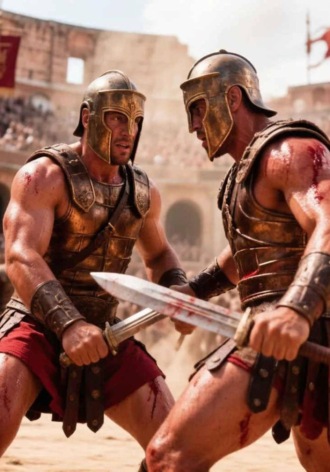
Спартак на английском языке с параллельным переводом на русский



Спартак на английском языке с параллельным переводом на русский
Глава

Хотите читать классику на английском, но боитесь, что не поймёте ни слова?
Эта книга — для тех, кто учит язык. После каждого предложения сразу идёт русский перевод. Вы просто читаете увлекательный текст и тут же понимаете смысл. Слова запоминаются сами, без зубрёжки и словаря.
«Спартак» — это история о восстании гладиаторов, о свободе и цене, которую за неё платят. Рим, арены, заговоры и человек, бросивший вызов великой империи. Сюжет держит в напряжении, а имена и события запоминаются сами — потому что интересно, а не потому что надо.
Хотите только понимать написанное — читайте про себя. Хотите слышать речь и говорить бегло — читайте вслух: именно так формируется произношение и уходит языковой барьер.
А если кто-то скажет, что без грамматики не заговорить, напомните: по-русски мы все заговорили задолго до того, как узнали, что «жи» и «ши» пишутся с буквой «и».
© Самойлов А.Г., 2026г.
Raffaello Giovagnoli Рафаэлло Джованьоли
Spartacus Спартак
Chapter I Глава I
The Generosity of Sulla Щедрость Суллы
At dawn on the fourth day before the Ides of November (November 10) in the year 675 of the Roman era, during the consulate of Publius Servilius Vatius Isauricus and Appius Claudius Pulcher, Rome was swarming with people who were pouring from all parts of the city to the Circus Maximus. На рассвете четвертого дня перед ноябрьскими идами (10 ноября) 675 года римской эры, в консульство Публия Сервилия Ватия Исаврика и Аппия Клавдия Пульхра, Рим кишел народом, который валил из всех частей города к Большому цирку.
From the narrow, crooked and crowded streets of Esquiline and Suburra, inhabited mainly by common people, the crowd, ever growing, rushed and seethed along the main streets - Tabernola, Goncharnaya, Novaya and others, heading in one direction - to the circus. От узких, кривых и многолюднейших улиц Эсквилина и Субурры, населенных преимущественно простым людом, толпа, все нарастая, стремилась и бурлила по главным улицам – Табернольской, Гончарной, Новой и другим, направляясь в одну сторону – к цирку.
Citizens, workers, capite censi, freedmen, old, crippled and scarred gladiators, beggars and crippled veterans of the proud legions - the victors of Asia, Africa and the Cimbri, commoners, jesters and buffoons, dancers and crowds of frisky, jumping children made up an endless procession of people. Граждане, рабочие, capite censi,отпущенники, старые, искалеченные и покрытые рубцами гладиаторы, нищие и изувеченные ветераны гордых легионов – победителей Азии, Африки и кимвров, простолюдинки, шуты и скоморохи, танцовщицы и толпы резвых, прыгающих детей составляли бесконечную вереницу людей. Joyful faces, cheerful looks, carefree speeches and light jokes on the lips undoubtedly testified to the fact that the people were going to some favorite spectacle. Радостные лица, веселые взгляды, беззаботные речи и легкие шутки на устах несомненно свидетельствовали о том, что народ шел на какое-то излюбленное зрелище.
All these numerous, impetuous, talkative crowds filled the streets of the great city with a chaotic, powerful hum, reminiscent of the buzzing of a thousand swarms of bees, and the sad appearance of the sky, completely covered with gloomy grayish clouds, which foreshadowed rain rather than clear weather, seemed unable to confuse the Quirites and darken the joy shining on their faces. Все эти многочисленные, стремительные, говорливые толпы наполняли улицы великого города хаотическим, мощным гулом, напоминавшим жужжание тысячи пчелиных роев, и печальный вид неба, сплошь затянутого хмурыми сероватыми тучами, которые предвещали скорее дождь, чем ясную погоду, казалось, не мог смутить квиритови омрачить веселья, сиявшего на их лицах.
The morning wind, blowing from the hills of Latium and Tusculum, was fresh and piercing. Утренний ветер, веявший с холмов Лациума и Тускулума, был свеж и пронзителен. Many of the townspeople walked carefully wrapped in the folds and hoods of their paenula; others covered their heads with petasus or pileus, and everyone tried to wrap themselves up as closely as possible - the men in their abolli and togas, the women in stola and palli. Очень многие горожане шли, тщательно закутавшись в складки и капюшоны своей пенулы; другие покрыли голову петазом или пилеем, и все старались закутаться поплотнее – мужчины в свои аболлы и тоги, женщины – в столы и паллы.
The Circus, built in 138 AD by the Emperor Tarquinius the Elder after the conquest of Apiola, then decorated and expanded by the last king, Tarquinius the Proud, began to be called the Great Circus in 533 AD, when the censor Quintus Flaminius built another circus named after him. Цирк, построенный в 138 году от основания Рима царем Тарквинием Древним после завоевания Апиолы, затем украшенный и расширенный последним царем, Тарквинием Гордым, начал называться Большим с 533 года от основания Рима, когда цензор Квинт Фламиний выстроил другой цирк, названный его именем.
The Circus Maximus, situated in the Murcian Valley, between the Palatine and Aventine Hills, had not yet, at the time of the events described in this book, attained the immense size and splendor which Julius Caesar and Octavian Augustus later gave it; nevertheless, it was a vast and majestic building, two thousand one hundred and eighty paces long and nine hundred and ninety-eight paces wide, and capable of accommodating over one hundred and twenty thousand spectators. Большой цирк, расположенный в Мурсийской долине, между Палатинским и Авентинским холмами, не достиг еще ко времени событий, описываемых в этой книге, тех необъятных размеров и того великолепия, которые придали ему впоследствии Юлий Цезарь и Октавиан Август; все же это было огромное, величественное здание длиною в две тысячи сто восемьдесят шагов и шириною в девятьсот девяносто восемь, могущее вместить свыше ста двадцати тысяч зрителей.
Almost oval in shape, it was cut off on the west in a straight line, while its eastern side was closed by a roundness. Имевшее почти овальную форму, оно было срезано с запада по прямой линии, восточная же его сторона замыкалась округлостью. In its western part there was a straight oppidum - a building with thirteen arches. В западной части его находился прямой оппидум – постройка с тринадцатью арками. In the middle of these arches was one of the two main entrances to the circus, called the Front Gate, since through it the procession with the images of the gods entered the arena, the appearance of which served as a signal for the beginning of the games. В средней из этих арок был один из двух главных входов в цирк, называемый Парадными воротами, так как через них на арену входила процессия с изображениями богов, появление которой служило знаком для начала игр. In the remaining twelve arches were located the stables, or "dungeons", where chariots and horses were kept when the circus served as a racetrack, gladiators and wild animals, when bloody competitions were to take place, giving the Roman people the greatest pleasure. В остальных двенадцати арках были расположены конюшни, или «темницы», где помещались колесницы и лошади, когда цирк служил для бегов, гладиаторы и хищные звери, когда должны были происходить кровопролитные состязания, доставлявшие римскому народу величайшее удовольствие.
From the oppidum, numerous rows of steps ran in complete circles, serving as seats for the spectators; for the purpose of more convenient access to them, they were crossed by passages; the latter gave rise to other, internal passages, which led to the numerous exits of the circus, called vomitoriums. От оппидума сбегали полными кругами многочисленные ряды ступенек, служивших сиденьями для зрителей; в целях более удобного доступа к ним они были пересечены проходами; последние давали начало другим, внутренним проходам, которые вели к многочисленным выходам цирка, называемым вомиториями.
The rows of seats ended in a portico, under arches, where there were seats for noble women. Ряды сидений оканчивались в портике, под арками, где были места для знатных женщин.
Opposite the Parade Gate were the Triumphal Gates. Напротив Парадных ворот находились Триумфальные ворота. They served as the entrance for victors. Они служили для входа победителей. To the right of the oppidum and closer to the Parade Gate were the Gates of Death. По правую сторону от оппидума и ближе к Парадным воротам находились Ворота смерти. Through this ominous door, special circus servants pulled out the mutilated and bloody bodies of slain or dying gladiators using long hooks. Через эту зловещую дверь особые служители цирка вытаскивали при помощи длинных крючьев изуродованные и окровавленные тела убитых или умирающих гладиаторов.
On the platform of the oppidum, special seats were fenced off with barriers, intended for consuls, magistrates, vestals and senators. На площадке оппидума были огорожены барьерами особые сиденья, предназначенные для консулов, магистратов, весталок и сенаторов. All the other seats had no barriers and were in no way different from each other. Все остальные сиденья не имели барьеров и ничем не отличались друг от друга.
Cutting across the arena, between the oppidum and the Triumphal Gate, there was a low wall, the so-called ridge, stretching for almost five hundred paces. Разрезая арену, между оппидумом и Триумфальными воротами тянулась почти на пятьсот шагов низкая стена, так называемый хребет. It served to determine the distance during the races and had at both ends a group of columns, called metas. Она служила для определения дистанции во время бегов и имела на обоих концах по группе колонок, называемых метами.
In the middle of the ridge rose an obelisk of the sun, and on its sides were towers, columns, altars and statues; between the latter were statues of Ceres and Venus of Mursia. Посредине хребта возвышался обелиск солнца, а по сторонам его – башенки, колонны, жертвенники и статуи; между последними – статуи Цереры и Венеры Мурсийской.
Around the arena rose a parapet, on which rested the seats of the amphitheater. Вокруг арены возвышался парапет, на который опирались сиденья амфитеатра. The parapet was eighteen paces high and was called the podium; along it ran a ditch filled with water, called the eurypus, and behind the ditch rose an iron grate: all these barriers served to protect the spectators from possible attacks by wild animals that roared and raged in the arena. Парапет был вышиной в восемнадцать шагов и назывался подиумом; вдоль него тянулся ров, наполненный водой, называемый эврипом, а за рвом подымалась железная решетка: все эти преграды служили для охраны зрителей от возможного нападения диких зверей, которые рычали и свирепствовали на арене.
Such was the appearance of this grandiose building, intended for spectacles in Rome, in the year 675 from the foundation of the city. Таков был вид этого грандиозного помещения, предназначенного для зрелищ в Риме, в 675 году от основания города. And into this enormous building, entirely worthy of the people, whose victorious eagles had already flown around the whole world, endless crowds of common people, and horsemen, patricians and matrons flocked every hour, every minute, filling the circus, in order to carefreely enjoy their favorite and pleasant spectacle. И в это громадное здание, вполне достойное народа, победоносные орлы которого облетели уже весь мир, стекались ежечасно, ежеминутно, заполняя цирк, и бесконечные толпы простого народа, и всадники, патриции и матроны, для того чтобы беззаботно насладиться излюбленным и приятным зрелищем.
So, what happened on this day? Итак, что же происходило в этот день? What holiday? Какой праздник? What spectacle attracted such a crowd of people to the circus? Какое зрелище привлекало такую массу народа в цирк?
Lucius Cornelius Sulla the Fortunate, ruler of Italy, the terror of Rome, perhaps to distract himself from the suffering caused to him by an incurable skin disease that had been tormenting him for two years, ordered a few weeks ago that he would entertain and entertain the Roman people with spectacles for three days in a row. Луций Корнелий Сулла Счастливый, властитель Италии, гроза Рима, быть может, чтобы отвлечься от страданий, которые причиняла ему неизлечимая кожная болезнь, мучившая его уже два года, приказал несколько недель тому назад оповестить, что три дня подряд он будет угощать и развлекать зрелищами римский народ.
And already on the eve of the spectacles in the circus, the entire Roman rabble sat on the Campus Martius and along the Tiber at tables prepared by order of the formidable dictator. И уже накануне зрелищ в цирке вся римская чернь восседала на Марсовом поле и вдоль Тибра за столами, приготовленными по приказанию грозного диктатора. They feasted noisily until nightfall, indulging in an unbridled orgy at the end. Она шумно пировала вплоть до наступления ночи, предавшись под конец разнузданной оргии. This feast, organized by the terrible enemy of Gaius Marius, was distinguished by royal luxury and splendor, an unprecedented abundance of food and the finest wines. Этот пир, устроенный страшным врагом Гая Мария, отличался царской роскошью и великолепием, неслыханным изобилием пищи и самых тонких вин. It took place in the triclinium, specially built for this celebration in honor of the Roman people. Происходил он в триклинии,специально сооруженном для данного празднества в честь римского народа.
The generosity of Sulla the Fortunate was such that he donated a tenth of his wealth for these festivals and games held in honor of Hercules. Щедрость Суллы Счастливого была такова, что для этих празднеств и игр, устроенных в честь Геркулеса, он пожертвовал десятую часть своих богатств. Forty-year-old and even older wines were destroyed daily and large quantities of food were thrown into the river. Ежедневно уничтожались сорокалетние и еще более старые вина и большое количество съестных припасов выбрасывалось в реку.
Thus, Sulla with his left hand gave the Romans part of the wealth that he had plundered with his rapacious right, and the sons of Quirinus, who in the depths of their souls mortally hated Lucius Cornelius Sulla, accepted from him with an outwardly cheerful air the spectacles and treats. Таким образом, Сулла левой рукой дарил римлянам часть богатств, которые он награбил хищной правой, и сыны Квирина, в глубине души смертельно ненавидевшие Луция Корнелия Суллу, принимали от него с наружно веселым видом зрелища и угощения.
Day had come. Наступил день. Bright rays of the sun, piercing the clouds, began to gild the tops of ten hills, temples, basilicas and the patrician palaces sparkling with the whiteness of precious marble. Яркие солнечные лучи, пронизывая тучи, начали золотить вершины десяти холмов, храмы, базилики и сверкающие белизной драгоценного мрамора дворцы патрициев. With their life-giving warmth they warmed the people seated on the benches of the Circus Maximus. Своей живительной теплотой они согревали людей, разместившихся на скамейках Большого цирка.
Over a hundred thousand citizens awaited the Roman people's favorite spectacle - the fights between gladiators and wild animals. Свыше ста тысяч граждан ожидали наиболее любимого римским народом зрелища – боев гладиаторов и диких зверей. Among these hundred thousand people, matrons, patricians, knights, tax collectors, argentarii (bankers) and wealthy foreigners, who flocked from all over Italy and the world to the Eternal City, were shown off in groups in the best places. Среди этой сотни тысяч людей красовались группами налучших местах матроны, патриции, всадники, сборщики податей, аргентарии (банкиры) и богатые иностранцы, стекавшиеся со всех концов Италии и всего мира в Вечный город.
Coming much later than the common people, these favorites of Fortune found suitable and comfortable places for themselves. Пришедшие много позже простого народа, эти любимцы Фортуны находили себе места подходящие и удобные. Among the various professions that did not require much labor, which many Romans were engaged in, often without bread and shelter, but never missing an opportunity to proudly exclaim: "Noli me tangere: civis romanus sum", there was also the trade of the Locarii: proud idlers came early in the morning to the building where a public spectacle was to take place, and occupied the best places for rich citizens and patricians. Среди разных профессий, не требующих особого труда, которыми занимались многие римляне, зачастую не имевшие хлеба и крова, но никогда не упускавшие случая с гордостью воскликнуть: «Noli me tangere: civis romanus sum»,был и промысел локариев:гордые бездельники приходили рано утром в здание, где должно было состояться публичное зрелище, и занимали лучшие места для богатых граждан и патрициев. The latter came to the circus when it was convenient for them, and, having paid two or three sesterces, received places from the Locarii. Последниеявлялись в цирк, когда им было удобно, и, заплатив два или три сестерция, получали от локариев места.
It is difficult to imagine the magnificent panorama presented by the circus, filled with more than one hundred thousand spectators of both sexes, of every age and status. Трудно себе представить ту великолепную панораму, которую представлял цирк, заполненный более чем ста тысячами зрителей обоего пола, разного возраста и положения. Laticlaves, angusticlaves, praetextas, stoles, tunics, palliums and peplums, changing and merging into the most varied combinations of colors, presented to the gaze all the shades of the rainbow. Латиклавы, ангустиклавы, претексты, столы, туники, паллы и пеплумы,меняясь и сливаясь в разнообразнейшие сочетания цветов, являли взору все оттенки радуги. The noise of this mass of people, terrible as the roar of a volcano, the flashing of heads and hands, reminiscent of the furious and menacing swell of the sea during a storm, were only details of the magnificent, incomparable picture that the Circus Maximus presented at that moment. Шум этой массы народа, страшный, как гул вулкана, мелькание голов и рук, напоминающее яростное и грозное волнение моря во время бури, были лишь деталями великолепной, ни с чем не сравнимой картины, которую представлял Большой цирк в этот момент.
In the amphitheater the common people ate the food they had brought with them. В амфитеатре простолюдины ели принесенную с собою пищу. They devoured with great appetite ham, cold beef, their favorite blood sausage, and cheese and honey pies or biscuits; the meal was accompanied by witty remarks, obscene jokes, carefree chatter, loud, incessant laughter, and frequent libations of Veliterna, Massican, or Tusculan wine. С большим аппетитом они уплетали ветчину, холодную говядину, излюбленную кровяную колбасу и сырные и медовые пирожки или сухари; еда сопровождалась острыми словечками, непристойными шутками, беззаботной болтовней, громким беспрерывным смехом и частыми возлияниями велитернского, массикского или тускуланского вина.
Sellers of fried beans and pies found customers among the plebeians, who, wanting to pamper their wives and children, bought these cheap dishes. Продавцы жареных бобов и пирожков находили покупателей среди плебеев, которые, желая побаловать своих жен и детей, покупали эти дешевые кушанья. Naturally, these complacent plebeians soon had to resort to wine sellers to quench the thirst caused by fried beans and to sip from jugs of the liquid that the sellers insolently called Tusculan wine. Естественно, что эти благодушные плебеи должны были вскоре прибегать к продавцам вина, чтобы заглушить жажду, вызванную жареными бобами, и тянуть из кувшинов жидкость, которую продавцы нагло называли тускуланским вином.
Here and there, exquisitely polite and important families of the rich, equestrians and patricians gathered in groups, chatting and laughing. Там и сям собирались в группы, болтали и смеялись изысканно вежливые и важные семьи богачей, всадников и патрициев. Elegant dandies covered the hard seats with mats and carpets and opened parasols to protect beautiful matrons and graceful girls from the scorching rays of the sun. Элегантные щеголи покрывали циновками и коврами твердые сиденья и открывали зонтики, чтобы защитить красивых матрон и грациозных девушек от палящих лучей солнца.
Near the Triumphal Gate, in the third row, sat a matron of extraordinary beauty between two horsemen. Близ Триумфальных ворот, в третьем ряду, сидела между двумя всадниками матрона необыкновенной красоты. This woman, with her rounded, slender and flexible figure and luxurious shoulders, at first glance gave the impression of being a true daughter of Rome. Эта женщина своим округлым, стройным и гибким станом и роскошными плечами с первого взгляда производила впечатление подлинной дочери Рима.
Regular facial features, a large forehead, a beautifully curved nose, a small mouth on the lips of which the desire for hot kisses seemed to live, large black, expressive eyes gave her an enchanting charm. Правильные черты лица, большой лоб, красиво изогнутый нос, маленький рот, на губах которого, казалось, живет желание горячих поцелуев, большие черные, выразительные глаза придавали ей чарующую прелесть. Soft and fine hair the color of a raven's wing, thick and uncurled, gathered on the forehead with a diadem of precious stones, fell on her shoulders. Мягкие и тонкие волосы цвета вороного крыла, густые и незавитые, собранные на лбу диадемой из драгоценных каменьев, ниспадали на плечи.
She wore a tunic of the finest white woolen material, trimmed at the bottom with an elegant gold stripe, allowing all the grace of her body to be seen; over the tunic fell a white palla with purple stripes in beautiful folds. На ней была туника из тончайшей белой шерстяной материи, отороченная внизу изящной золотой полосой, позволявшая видеть всю грацию ее тела; поверх туники ниспадалакрасивыми складками белая палла с пурпурными полосами.
This woman, so richly dressed and so beautiful, was probably not yet thirty years old; she was Valeria, the daughter of Lucius Valerius Messala, and half-sister of Quintus Hortensius, the famous orator and rival of Cicero, consul of 685. Этой женщине, так роскошно одетой и такой красивой, не было, вероятно, еще и тридцати лет; то была Валерия, дочь Луция Валерия Мессалы, единоутробная сестра Квинта Гортензия, знаменитого оратора, соперника Цицерона, консула 685 года. Only a few months before, Valeria had been rejected by her husband on the pretext of her barrenness. Всего несколько месяцев назад Валерия была отвергнута своим мужем под предлогом ее бесплодия. In reality, the reason for the divorce was her behavior, which had long been the subject of loud talk throughout Rome: rumor considered Valeria a dissolute woman, and thousands of voices gossiped about some of her not entirely pure affections. В действительности же причиной развода было ее поведение, о котором шли давно громкие толки по всему Риму: молва считала Валерию развратной женщиной, и тысячи голосов сплетничали о некоторых ее не совсем чистых привязанностях. Be that as it may, she separated from her husband in such a way that her honor remained sufficiently protected from such reproaches. Как бы то ни было, но она разошлась с мужем таким образом, что ее честь осталась достаточно защищенной от подобных нареканий.
Beside her sat Elvius Medullius, tall, pale, thin, sleek, perfumed. Возле нее сидел Эльвий Медуллий – длинный, бледный, худой, прилизанный, надушенный. His fingers were adorned with gold rings set with double precious stones; his neck was adorned with a gold chain studded with medals and gems. Его пальцы были унизаны золотыми кольцами с двойными драгоценными каменьями в оправе; шею его украшала золотая цепь с медалями и геммами. An ivory wand, with which he usually played as he walked, completed his elegant attire. Палочка из слоновой кости, которой он обычно развлекался на ходу, завершала его изящный наряд.
On the motionless and expressionless face of this man was the stamp of boredom and apathy, which already at the age of thirty-five had made life uninteresting for him. На неподвижном и невыразительном лице этого человека лежала печать скуки и апатии, которая уже в тридцать пять лет сделала для него жизнь неинтересной. Elvius Medullius was one of those noble Romans, revelers and sybarites, who left the right to sacrifice themselves for the fatherland and glory to the rabble of the Tunicates. Эльвий Медуллий был из тех благородных римлян, кутил и сибаритов, которые предоставляли право жертвовать собой за отечество и славу сброду туникатов. The oligarchs entrusted to the mob the mission of conquering kingdoms and subjugating peoples, while for themselves, unless they preferred to rapaciously rule the provinces entrusted to them, they left the labor of squandering their family estates in luxurious idleness. Олигархи возложили на чернь миссию завоевания царств и покорения народов, за собою же, если только не предпочитали хищнически управлять вверенными им провинциями, оставляли труд проматывать в роскошной праздности родовые имения.