bannerbanner
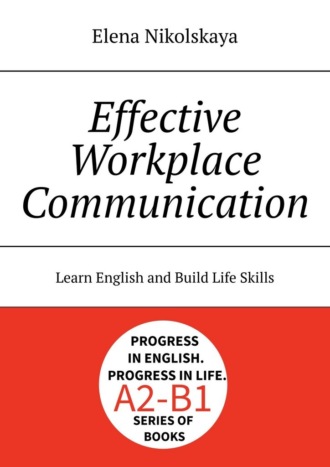
Effective Workplace Communication. Learn English and Build Life Skills

Полная версия

Effective Workplace Communication. Learn English and Build Life Skills

Язык: Английский
Год издания: 2025
Добавлена:
Настройки чтения
Размер шрифта
Высота строк
Поля

Effective Workplace Communication

Learn English and Build Life Skills


Elena Nikolskaya

© Elena Nikolskaya, 2025


ISBN 978-5-0068-7479-4

Created with Ridero smart publishing system

INTRODUCTION

Communication as a Work Skill

Good communication is a practical work skill. It helps you finish tasks on time. It reduces stress. It makes team work calm and simple. Many office problems start because people do not say things clearly. Maybe a message is too long. Maybe a task is not clear. Maybe someone does not ask a question because they feel unsure. These small issues grow and slow down the whole team.


Clear communication is not about big words. It is not about fast speech. It is about simple ideas, short sentences, and direct meaning. When you speak or write this way, people understand you quickly. They make fewer mistakes. They feel more confident when they work with you.


Strong communication also builds trust. When you say things in a direct way, colleagues know what to expect. When you ask for details, people see that you care about quality. When you give instructions that are easy to follow, the team moves faster. This creates a good work environment. It also helps you grow in your career, because managers look for people who can explain tasks well and work with many types of people.


Communication is a skill you can learn. You do not need special talent. You only need practice and simple tools. This book gives you these tools. You will use them every day at work. You will see fast results, even after the first chapters.


In many offices, English is the main language for messages. Even basic English, when clear, supports better work. You do not need advanced grammar. You need short forms, basic verbs, and key phrases that help you act. This book uses A2-level English so you can focus on real tasks, not on complex language. Each chapter gives you examples and small steps. You can start using them today.


Good communication saves time. It reduces extra emails. It reduces long calls. It helps you solve problems sooner. It helps you show your value in the workplace. When your messages are clear, your work becomes more stable. You become more confident in your day-to-day tasks. You can work with local and international teams with less stress.


This is why learning simple, direct English for the office is useful. It supports your job, no matter your role. It gives you a strong base for growth. It builds discipline and accuracy. With time, these small skills create big change in your career.

Why Clear English Improves Work Results

Clear English helps you work faster and with fewer mistakes. Many teams today use English for emails, chats, and meetings. Even if English is not your first language, simple and direct English lets you join work processes with confidence. When your message is short and clear, people understand what you need, what you plan, or what you want them to do. This saves time for everyone.


When English is unclear, problems start. A task may be delayed because the team does not know the deadline. A client may feel confused because the message has too many words and no clear action. A colleague may make an error because one small detail is missing. These situations do not come from bad intentions. They come from unclear communication. Clear English reduces these moments.


Direct language also improves teamwork. In many offices, people come from different countries. They speak English at different levels. When you use simple structures, short verbs, and basic phrases, you help everyone follow the conversation. You show respect for the team because you make communication easy. This creates trust and better cooperation.


Clear English also supports better decision-making. When your message is short, people focus on the main point. They do not waste time reading long explanations. They see the key idea fast and can respond quickly. This is important for managers and clients. They need clear information. They need to make choices fast. Your communication can help them do this.


Another benefit is lower stress. When you write or speak clearly, you feel more sure about your message. You do not worry about long grammar structures. You do not search for perfect words. You use simple language that works. With practice, this becomes natural. Your workday becomes calmer because you know how to ask, answer, and guide others with short and direct English.


Clear communication also improves quality. When you ask precise questions, you receive exact answers. When you give simple instructions, colleagues complete tasks correctly. When you share updates in a short format, the team stays informed. This reduces misunderstandings and rework. It also shows that you take responsibility for your role.


Finally, clear English supports your professional image. People trust colleagues who speak and write in a steady, organized way. Clear messages show that you think clearly, plan well, and respect other people’s time. This helps you grow in your career and makes you a strong part of the team.


This book teaches you how to use clear English in daily office tasks. Each chapter gives you tools you can apply the same day. Step by step, your communication becomes stronger.

How This Book Works

This book is simple to use. It gives you short tools for real office tasks. Each part of the book focuses on one clear skill. You will learn how to use direct language, how to send effective messages, and how to work better with your team. The goal is not to study theory. The goal is to practice English that helps you do your job.


The book uses A2-B1 English. This means the language is basic and easy to apply. You will see short sentences and common verbs. You will not see complex grammar. You will learn phrases you can use in emails, chats, calls, and meetings. Clear language helps you deliver your message fast.


Each chapter has four sections. The first section is the main text. It explains one communication skill. It also gives simple examples from office life. These examples show how to use the skill in real situations. You can copy the structure and use it in your own messages.

The second section is Vocabulary. It lists key words for the chapter. All words are A2-B1-level and useful at work. This helps you build a small, practical word base for daily tasks. You do not need many words. You need the right words.


The third section is Practice Questions. These small questions help you think about your own work habits. They show where you can improve. They also help you remember the main idea of the chapter. You can answer them alone or with a colleague.


The fourth section is the Work Task. This is a short activity that you can use today at work. It may ask you to write a short message, prepare a question, or check how you give instructions. These tasks make your progress visible. When you complete them one by one, you build a strong communication routine.


The book moves from simple to more complex tasks. First, you learn direct language for daily work. Then you learn how to write effective messages. Finally, you learn how to communicate with a team in a calm and clear way. At the end of the book, you will have a set of tools you can use in any office.


You can read the book from start to finish. Or you can open the chapter you need today. The design is flexible. The language stays simple. The tools stay practical.

What You Will Practice

In this book, you will practice clear and direct English for daily work tasks. Each part gives you skills that help you work with more confidence. You will focus on real situations you meet in an office. The goal is simple: to help you speak and write in a way that other people understand fast.


You will practice how to start your workday with clear messages. Many people lose time in the morning because tasks are not organized. In Part 1, you learn short phrases that help you set your plan, check tasks, and ask for updates. These small steps make your workday stable.


You will also practice how to ask precise questions. Many mistakes come from unclear questions. You will learn how to ask for missing details, time limits, and next steps. You will see how one good question can save hours of work.


Another important skill is giving clear instructions. You will train how to write instructions in three short steps: what to do, how to do it, and by when. This structure reduces confusion and improves quality. When you give simple instructions, your team works faster and makes fewer errors.


In Part 2, you practice message skills. You learn how to set boundaries at work using calm and short English. You learn how to write effective emails that are easy to read. You also learn how to request support without sounding weak or unclear. These skills help you manage workload and protect your time.


In Part 3, you practice interaction skills. You learn how to handle small conflicts in a direct but calm way. You learn how to give professional feedback that is easy to use. You also learn how to run short meetings. These skills help you work with teams and keep communication steady.


Each chapter includes vocabulary, questions, and one work task. This format helps you practice step by step. You do not only read. You act. You use the phrases in real tasks. This builds a habit of clear communication.


At the end of the book, you will be able to organize your messages, guide tasks, and work with people using simple A2-B1 English. You will communicate in a calm, direct, and confident way. These skills will support your daily work and your long-term growth.


This book gives you a full toolkit. You can return to it any time and adjust your communication to different situations. With practice, clear English becomes natural.

PART 1 – CORE OFFICE LANGUAGE

CHAPTER 1 – Direct Language for Daily Work

Direct language helps you work with speed and clarity. Many office messages are long and unclear. People add extra words because they want to sound polite or professional. But long messages often create confusion. Simple words and short sentences make communication easy. They show your main point fast. They save time for you and your team.


Direct language is not rude. It is practical. It helps other people understand what you need. When you use short forms, people can answer quickly. When you remove extra details, people know the key task. Direct language creates a stable work process.


In daily office tasks, you often need to share updates, ask for details, or give quick answers. These moments do not need long phrases. They need basic structure. You state the topic. You give the action. You add the time. This short format works in emails, chats, and meetings.


For example, you can say: “I will send the file at 14:00.” This is direct. Or: “Please check this part and confirm.” Clear. Or: “We need the final version today.” Simple. These short lines remove stress. They show what must happen.


Direct language also helps you work with international teams. People with different English levels can follow short forms more easily. Long messages can confuse even strong English speakers. But direct messages are universal. They use simple verbs, clear times, and one idea per line.


Another advantage is accuracy. When your message is short, you see mistakes faster. You do not hide the key point inside long text. You organize your ideas before you write. This makes your work more reliable. It also helps your colleagues trust your communication.


Direct language is useful in many situations. For example, when you start your morning tasks, you can write: “I will work on Task A first. Then I will update you at 11:00.” This keeps the team informed. If you need help, you can say: “I need support with this part. Can you check it?” This is simple and calm.


When you receive unclear instructions, direct language helps you ask for more detail. You can say: “Can you confirm the deadline?” or “What is the next step?” These questions are short, but they help you avoid mistakes. They show that you want to do the task correctly.


Direct language is also useful when you need to decline or set limits. For example: “I cannot join this call. Please send a short summary.” This is polite and direct. Or: “I need more time. I can finish tomorrow.” You stay respectful, but you protect your time.


In team work, direct communication reduces conflict. People know what you expect. They do not guess. They do not feel lost. They follow clear steps. This makes the team environment calm. It also builds trust between colleagues.


To use direct language, focus on three steps. First, find the main point. Second, choose simple words. Third, write one idea per sentence. This structure helps you stay clear.


Examples of direct phrases:

– “Please confirm.”

– “I will update you later.”

– “We need this by 16:00.”

– “Here is the final version.”

– “Do you need more details?”

– “What is the status?”


These simple forms work in most office situations. You can add more detail when needed, but start with the core idea. The more you practice, the easier it becomes.


Direct language saves time, reduces errors, and supports a calm workday. It is a skill you can learn step by step. With practice, you will speak and write in a clear, confident way.

Vocabulary

update – new information about a task.

status – the current situation of a task.

final version – the finished and correct form of a file.

version – one form of a document or file.

file – a document on your computer.

clear – easy to understand.

direct – simple and without extra words.

simple – easy to do or easy to understand.

instruction – words that tell someone what to do.

office – a place where people work.

Practice Questions

1. Which part of your workday needs more direct language?


2. When do you usually give long messages instead of short ones?


3. What simple phrase can you use to ask for missing details?


4. How can direct language help your team work faster?

Work Task

Choose one work message you need to send today.

Rewrite it in three short lines:


1. Main point

2. Action

3. Time


Send this new version to your team.

Notice if people answer faster.

CHAPTER 2 – Starting the Workday

A clear start makes your workday easier. Many people begin their day in a hurry. They open emails, jump into tasks, and feel stress in the first minutes. A calm and organized start helps you avoid this. When you enter the office or open your laptop, you need a simple plan. This plan does not take much time. It uses direct language and clear steps.


The first step is to check your main tasks for the day. Do not read every email in detail. Look only at the most important messages. Ask yourself one simple question: “What must I finish today?” This helps you focus. It stops you from doing small tasks that do not matter. It also helps you communicate your priorities to your team.

Конец ознакомительного фрагмента.

Текст предоставлен ООО «Литрес».

Прочитайте эту книгу целиком, купив полную легальную версию на Литрес.

Безопасно оплатить книгу можно банковской картой Visa, MasterCard, Maestro, со счета мобильного телефона, с платежного терминала, в салоне МТС или Связной, через PayPal, WebMoney, Яндекс.Деньги, QIWI Кошелек, бонусными картами или другим удобным Вам способом.

Конец ознакомительного фрагмента
Купить и скачать всю книгу