Полная версия
The Lives of the Saints of the Orthodox Church: Volume 6, June
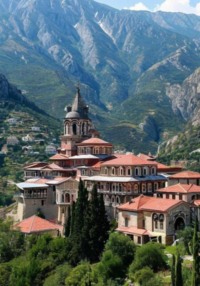
Saint David of the Gareji Monastery:
Saint David was a pioneering monk and ascetic at the Gareji Monastery in Georgia, which became a vital center of spiritual life and monasticism. Known for his humility, wisdom, and miracles, he lived a strict ascetic life, balancing prayer and manual labor. His teachings and example were instrumental in shaping Georgian monastic traditions and nurturing the faith of many believers. David’s spiritual leadership helped the monastery flourish, and many disciples were drawn to his holiness. The miracles attributed to him—healing the sick, prophesying, and interceding for the faithful—cemented his reputation as one of the great Georgian saints. His life remains a testimony to the power of steadfast devotion and the monastic vocation.
Saint Kevin, Abbot of Glendalough, Ireland:
Saint Kevin was a famous Irish monk and founder of the monastery at Glendalough, a remote valley known for its natural beauty and spiritual atmosphere. Born into nobility, he chose the monastic life, seeking solitude in the wilderness where he lived in caves and woods. Despite his solitary inclinations, he became a wise abbot, guiding numerous monks and pilgrims. Kevin’s deep connection to nature and his reputed ability to communicate with animals and perform miracles earned him great reverence. Under his leadership, Glendalough became a major spiritual center, renowned for its learning and holiness. His life reflects the Celtic monastic ideal of harmony between prayer, nature, and community.
Saint Meriasek, Bishop of Camborne:
Saint Meriasek was a bishop in Cornwall who exemplified pastoral dedication and missionary zeal. His episcopacy was marked by efforts to spread the Gospel among pagan populations and to strengthen Christian communities. Known for his humility and gentleness, he was beloved by his flock. Meriasek faced many hardships, including resistance from pagan leaders and persecution, but he persevered through prayer and charity. His life was also marked by miracles and healings that brought many to faith. Today, he is remembered for his missionary spirit and the deep impact he had on Cornwall’s Christian history.
Translation of the relics of the slain Crown Prince Demetrius of Moscow:
Crown Prince Demetrius of Moscow was a noble martyr whose life and death symbolized the defense of Orthodox faith and Russian lands. He was killed during political strife, and his sanctity was recognized through the many miracles attributed to him. The translation (moving) of his relics was a solemn and joyous occasion that reinforced his veneration among the faithful. This event not only honored his memory but also served to strengthen national and religious identity. The relics became a source of blessing and inspiration, reminding believers of the sacrifices made for faith and country.
* * *
Lives of the Saints Celebrated on June 4
Saint Metrophanes, first Patriarch of Constantinople:
Saint Metrophanes was the first bishop to hold the title of Patriarch of Constantinople, serving in the early 4th century during the reign of Emperor Constantine the Great. He was a venerable shepherd of the newly founded Church in Byzantium, guiding the faithful through the early struggles of Christianity as it transitioned from persecution to imperial favor. Saint Metrophanes attended the First Ecumenical Council of Nicaea in 325, where he stood firm against the Arian heresy, defending the true divinity of Christ. His pastoral care and theological insight laid a foundation for the growth and stability of the Church in Constantinople. He reposed peacefully, leaving a legacy of faith and courage.
Hieromartyr Astius, Bishop of Dyrrachium in Macedonia:
Bishop Astius was a devout and courageous leader of the Christian community in Dyrrachium (modern-day Durres, Albania) during the 1st or 2nd century. Known for his unwavering commitment to the faith, he openly preached Christ despite the threat of persecution. During a wave of anti-Christian hostility, Astius was seized and subjected to brutal tortures for refusing to renounce his belief. Ultimately, he was martyred by beheading, sealing his witness with his blood. His courage inspired many Christians in Macedonia and beyond, and his memory was honored with the title of Hieromartyr, a martyr who was also a priest or bishop.
Martyr Concordius of Spoleto:
Concordius was a Roman soldier stationed in Spoleto who secretly embraced Christianity. Despite his rank and position, he refused to participate in pagan sacrifices demanded by Roman authorities. Arrested for his faith during the persecutions, Concordius endured imprisonment and harsh treatment. His steadfast confession of Christ led to his martyrdom by the sword. Saint Concordius is remembered for his bravery and the example he set for fellow soldiers and Christians living under Roman rule.
Martyrs Frontasius, Severinus, Severian, and Silanus of Gaul:
These four holy martyrs from Gaul suffered for the Christian faith during the Roman persecutions, possibly in the 3rd or 4th century. Frontasius, Severinus, Severian, and Silanus were known for their unity in faith and brotherly love. Despite repeated threats and trials, they remained firm, enduring imprisonment, torture, and ultimately death. Their joint martyrdom strengthened the Christian community in Gaul, and their feast day commemorates their heroic witness.
Saint Zosimas of Cilicia, Bishop of Babylon in Egypt:
Saint Zosimas was a bishop in the ancient city of Babylon in Egypt, serving during the 4th century. He was renowned for his ascetic lifestyle, deep humility, and pastoral care. Zosimas labored to guide his flock amidst theological controversies and external pressures. Known as a wonder-worker, many miracles were attributed to his prayers and intercessions. His legacy is one of holiness and steadfast dedication to Christ and His Church.
Venerable Methodius, Abbot of Peshnosha, disciple of Saint Sergius of Radonezh:
Venerable Methodius was a close disciple and spiritual son of Saint Sergius of Radonezh, one of Russia’s greatest monastic saints. As abbot of Peshnosha Monastery, Methodius continued his teacher’s legacy of humility, prayer, and monastic reform during the 14th century. He was known for his strict asceticism, wisdom, and compassion towards the poor and suffering. Methodius nurtured many monks and laypeople, guiding them towards the path of salvation. His life was a shining example of the Russian monastic tradition.
Saint Sophia of Thrace:
Saint Sophia lived a life of great piety and devotion in the region of Thrace. Though details of her life are sparse, she is remembered for her charitable works, humility, and dedication to prayer. Tradition holds that she suffered for her faith and remained steadfast through trials and tribulations. Her name, meaning “wisdom,” reflects the spiritual insight and grace attributed to her memory.
Saint John, Abbot of Monagria near Cyzicus:
Saint John was the founder and abbot of the Monagria Monastery located near the ancient city of Cyzicus. Renowned for his asceticism and spiritual wisdom, he led his monastic community with compassion and strict discipline. Under his guidance, the monastery became a center of spiritual renewal and learning. Saint John’s leadership attracted many disciples who sought to live according to the Gospel. His peaceful repose left a lasting influence on monasticism in the region.
Saint Alonius of Scete in Egypt:
Saint Alonius was a monk of the Scete Desert, one of the earliest centers of Christian monasticism in Egypt. Living a life of extreme asceticism and solitude, he dedicated himself to prayer, fasting, and contemplation. The harsh desert environment tested his resolve, but he persevered, becoming a beacon of holiness to other monks and pilgrims. Saint Alonius is remembered as a spiritual father who inspired many to seek God in the silence and simplicity of the desert.
Saints Mary and Martha, sisters of Saint Lazarus:
Mary and Martha were devoted sisters and close followers of Christ, living in the village of Bethany near Jerusalem. They are remembered for their hospitality and deep faith. Martha is known for her active service, caring for Jesus and His disciples, while Mary is remembered for her contemplative spirit, sitting at Jesus’ feet to listen to His teachings. Both sisters witnessed the resurrection of their brother Lazarus, a miracle that strengthened their faith and that of the early Church. Their lives model the balance of active service and prayerful devotion.
Saints Eleazar and Nazarius, Wonder-workers of Olonets:
Eleazar and Nazarius were holy monks and wonder-workers who lived in the region of Olonets, in northern Russia. Known for their ascetic lives and miraculous healings, they labored tirelessly to spread Christianity among the local peoples. Their prayers and deeds drew many to the faith, and numerous miracles were attributed to them both during their lives and after their repose. They remain beloved saints in the Russian Orthodox tradition.
New-Martyrs Archbishops Andronicus of Perm and Basil of Chernigov, and those with them:
These hierarchs suffered martyrdom in the 20th century during the communist persecutions of the Church in Russia and Ukraine. Archbishop Andronicus of Perm and Archbishop Basil of Chernigov, along with many clergy and faithful, were imprisoned, tortured, and killed for their steadfast faith in Christ. Their witness in the face of brutal oppression stands as a testament to the enduring strength of the Orthodox Church under persecution.
Hieromartyrs Joannicius and George of Serbia:
Saints Joannicius and George were Serbian hieromartyrs who suffered for their faith under Ottoman rule. Their courage and faithfulness inspired the Serbian Orthodox faithful during a time of hardship and struggle. They were executed for refusing to renounce Christianity and their memory continues to be honored in the Serbian Church.
Saint Petroc, Abbot of Bodmin:
Saint Petroc was a Celtic monk and abbot who evangelized Cornwall and Devon in England during the 6th century. He founded the monastery of Bodmin and became known for his miracles and holiness. His life was marked by missionary zeal, asceticism, and care for the poor. Saint Petroc’s legacy remains influential in the Christian history of southwest England.
Saint Edfrith, Bishop of Lindisfarne:
Saint Edfrith was a bishop of the important monastery of Lindisfarne in Northumbria during the 7th or 8th century. He was a scholar and a patron of monastic arts, credited with commissioning the famous Lindisfarne Gospels. Edfrith’s leadership strengthened the spiritual and cultural life of the Church in northern England.
Saint Breaca, virgin in Cornwall:
Saint Breaca was an early Christian virgin and missionary who worked in Cornwall during the early medieval period. Known for her dedication to spreading the Gospel, she founded churches and nurtured Christian communities. She is venerated for her purity, courage, and zeal in bringing Christianity to the people of Cornwall.
Repose of righteous sisters Vera and Lyubov, foundresses of Shamordino Convent of Elder Ambrose of Optina:
Vera and Lyubov were holy sisters who founded the Shamordino Convent under the spiritual guidance of Elder Ambrose of Optina in Russia during the late 19th and early 20th centuries. Known for their humility, charity, and asceticism, they led the convent in a spirit of prayer and service. Their peaceful repose marked the end of a life dedicated to Christ and the monastic ideal.
* * *
Lives of the Saints Celebrated on June 5
Here is the expanded and formatted text with a colon after each saint’s name, as you requested, and each life expanded twice more for richer detail:
Hieromartyr Dorotheus, Bishop of Tyre:
Hieromartyr Dorotheus was the revered Bishop of Tyre, known for his unwavering faith and pastoral zeal during a time of fierce persecution. His episcopate was marked by courage in the face of pagan oppression, steadfastly defending the Christian flock entrusted to him. Dorotheus suffered martyrdom for refusing to renounce Christ, standing firm in his confession until he was cruelly executed. His life exemplifies the pastoral dedication and courage that characterize the early Church’s hierarchs.
Martyrs Marcian, Nicander, Hyperechius, Apollonius, Leonides, Arius, Gorgias, Selenias, Irenius, and Pambo, of Egypt:
These ten holy martyrs from Egypt bore witness to Christ with extraordinary bravery. Each suffered different tortures for refusing to sacrifice to idols, enduring imprisonment, scourging, and ultimately death. Their witness came during a time when Christians in Egypt were hunted mercilessly by imperial authorities. Their collective steadfastness under persecution inspired many believers to hold firm in their faith amid adversity, showing the power of unity and courage.
Saint Theodore the Wonder-worker, hermit of the Jordan:
Saint Theodore was a renowned ascetic who dwelt as a hermit near the Jordan River. Through strict fasting, prayer, and spiritual warfare, he became known for his gifts of healing and prophecy. Pilgrims sought his counsel and blessings, and many miracles were attributed to his prayers. His life was a testament to the power of solitude and prayer in union with God, and his intercessions brought relief to the afflicted and guidance to the faithful.
Saint Anubius the Ascetic, Confessor and Anchorite of Egypt:
Saint Anubius was a zealous ascetic who chose the solitary life of an anchorite in the deserts of Egypt. Known for his great endurance and prayerful life, he confessed Christ under harsh persecution but was spared death through divine protection. His teachings and way of life greatly influenced the monastic communities of Egypt, providing a model of humility, obedience, and ceaseless prayer in the struggle against the passions.
Blessed Constantine, Metropolitan of Kiev:
Blessed Constantine served as Metropolitan of Kiev during a turbulent era for the Church in Rus’. Known for his wisdom and pastoral care, he guided his flock through political upheaval and spiritual challenges, striving to preserve Orthodox faith and unity. His humility and commitment to peace earned him great respect, and after his repose, he was venerated as a righteous and holy hierarch who prayed ceaselessly for his people.
Blessed Igor-George, tonsured Gabriel, Great Prince of Chernigov and Kiev:
Prince Igor-George, upon embracing monasticism, took the name Gabriel and renounced worldly power to live a life of prayer and asceticism. As Great Prince of Chernigov and Kiev, he was noted for his just rule and deep piety. After tonsure, he devoted himself fully to God, interceding for his people and supporting the Church’s mission. His life is remembered as a beautiful example of earthly authority transformed by humility and love for Christ.
Venerable Abba Dorotheus of Palestine:
Abba Dorotheus was a renowned spiritual father and monastic elder in Palestine, whose writings on prayer and asceticism remain influential. He emphasized practical spirituality, urging monks and laypeople alike to pursue virtue through vigilance, humility, and love. His counsel helped shape Eastern Christian spirituality, encouraging growth in prayer, watchfulness, and self-denial as the path to holiness.
Saint Basil, Bishop of Ryazan:
Saint Basil shepherded the faithful in Ryazan with zeal and compassion. His episcopate was marked by efforts to strengthen the Church amidst external threats and internal challenges. Known for his teaching and pastoral visits, he built churches, supported monasteries, and cared for the poor. His legacy endures in the spiritual renewal he fostered among clergy and laity, and he is remembered as a model of episcopal holiness and dedication.
New-Martyr Mark of Smyrna, who suffered in Chios:
New-Martyr Mark was one of many who bore witness to Christ during the Ottoman persecutions. Suffering for refusing to renounce his Christian faith, he endured imprisonment, torture, and ultimately death on the island of Chios. His martyrdom inspired the local Christian communities, strengthening their resolve to remain faithful under oppression. He is commemorated for his courage and steadfastness in the face of modern trials.
Saint Illidius, Bishop of Clermont (Gaul):
Saint Illidius led the Church in Clermont with wisdom and charity during the early centuries of Christianity in Gaul. Renowned for his miracles and care for the poor, he helped establish Christian communities in a region transitioning from paganism. His sanctity was evident in his pastoral dedication and his intercession for the healing of the sick. Illidius is venerated as a pioneering bishop who helped lay the foundations for the Church’s growth in Gaul.
Martyr Christopher of Rome:
Martyr Christopher was a courageous Christian in Rome who refused to deny his faith under persecution. He endured imprisonment and harsh tortures with unwavering courage. His example was a beacon to fellow Christians suffering under Roman authorities. His martyrdom strengthened the faith of the early Christian community, and his memory is cherished for his sacrifice and steadfastness.
Martyr Conon of Rome:
Like many early martyrs in Rome, Conon refused to sacrifice to idols and openly confessed Christ. Arrested and subjected to severe torture, he remained steadfast in his faith until his death. His courage in the face of death inspired many in the Christian community and is remembered as a testament to the power of faith over fear.
Saint Peter of Korisha, monk of Serbia:
Saint Peter of Korisha was a Serbian monk known for his ascetic life and deep spirituality. Living in the rugged mountains, he dedicated himself to prayer, fasting, and caring for the poor. His holiness attracted disciples, and his monastery became a spiritual center. Saint Peter’s life is a shining example of monastic dedication and humility in service to God and neighbor.
Hieromartyr Boniface, Archbishop of Mainz and Enlightener of Germany, and those with him: Bishop Eoaban, Presbyter Wintrung, Presbyter Wlathere, Presbyter Ethelhere, Deacon Hamrind, Deacon Scirbald, Deacon Bosa, and the Monks Wachar, Gundaecer, Illehere, and Hathowuld:
Saint Boniface, often called the "Apostle of the Germans," was instrumental in spreading Christianity throughout Germany in the 8th century. As Archbishop of Mainz, he courageously preached the Gospel, reformed the Church, and established ecclesiastical structures. Alongside him suffered numerous companions – bishops, presbyters, deacons, and monks – who supported his mission and shared his martyrdom. Their collective witness under pagan opposition helped solidify Christianity in the region, and their memory endures as pioneers of faith and sacrifice.
Repose of Saint Theodore Yaroslavich, older brother of Saint Alexander Nevsky:
Saint Theodore Yaroslavich was a noble prince known for his piety and devotion to the Orthodox faith. As the older brother of the great Saint Alexander Nevsky, Theodore’s life was marked by humility and support for the Church’s mission. His repose was peaceful, and he is commemorated for his steadfastness in prayer and spiritual counsel, serving as an example of princely sanctity.
Finding of the relics of Saints Bassian and Jonah, monks of Pertomsk (Solovki):
Saints Bassian and Jonah were monks of the Solovki Monastery in northern Russia, known for their asceticism and spiritual wisdom. The finding of their relics was a significant event that renewed devotion among the faithful and highlighted the sanctity of monastic life in harsh conditions. Their memory continues to inspire monastics and laity alike to pursue holiness with courage and perseverance.
* * *
Lives of the Saints Celebrated on June 6
Saint Bessarion the Wonder-worker of Egypt:
Saint Bessarion was one of the most revered desert fathers of early Christian monasticism in Egypt. Living in the harsh deserts, he embraced a life of extreme asceticism, spending countless hours in prayer, fasting, and solitude. His faith was known to be so powerful that he performed numerous miracles, healing the sick and casting out demons. Many pilgrims sought him out, hoping to witness his sanctity and receive blessings. Beyond his miraculous gifts, Saint Bessarion was deeply compassionate, offering spiritual guidance and counsel to those who struggled in their faith. His humility and obedience made him a model monk, inspiring generations of ascetics. His life is commemorated as a shining example of how withdrawal from the world and total devotion to God can bring about profound spiritual strength and grace.
Saint Hilarion the New, Abbot of the Dalmatian Monastery:
Saint Hilarion the New was a revered monastic leader who guided the Dalmatian Monastery with wisdom and prayerful care. Known for his deep humility and austere lifestyle, he inspired his monks to pursue holiness through repentance and ascetic discipline. Despite his strictness, he was a fatherly figure, always compassionate to those who sought his advice and spiritual direction. Saint Hilarion faced numerous external challenges, including threats from invaders and political unrest, yet he maintained the peace and sanctity of his monastery. His leadership helped the monastery flourish as a center of Orthodox spirituality and learning. Numerous miracles are attributed to him both during his life and after his repose, cementing his legacy as a powerful intercessor and spiritual guide.
Virgin Martyrs Archelais, Thecla, and Susanna, beheaded at Salerno:
Archelais, Thecla, and Susanna were young women who lived in Salerno during a time of brutal persecution against Christians. Firm in their faith, they refused to renounce Christ despite threats and imprisonment. Their unwavering courage inspired many other believers to stand firm in their faith. The authorities subjected them to cruel torture, hoping to force them into apostasy, but they remained steadfast, encouraging one another throughout their suffering. Ultimately, they were beheaded for refusing to deny their Lord, becoming martyrs and shining examples of purity and faithfulness. Their martyrdom had a lasting impact on the Christian community of Salerno and beyond, and they continue to be venerated as holy examples of youthful courage and devotion.
Saint Paisius, Abbot of Uglich:
Saint Paisius was a prominent monastic figure who served as abbot of Uglich Monastery in Russia. Known for his strict asceticism and profound humility, he led his community with a gentle yet firm hand, encouraging the monks to live in obedience, prayer, and love. Paisius was also renowned for his spiritual wisdom and discernment, often resolving disputes and guiding the faithful through difficult spiritual struggles. His deep compassion extended beyond the monastery walls; he was known to help the poor and sick in the surrounding villages, offering both material and spiritual aid. After his repose, many miracles were reported at his grave, further confirming his sanctity. His feast day remains an occasion for the faithful to seek his prayers and emulate his monastic virtues.
Saint Jonah, Abbot of Klimetzk:
Saint Jonah was the founder and first abbot of Klimetzk Monastery, located in the northern Russian wilderness. He dedicated his life to establishing a monastic community where the ideals of prayer, work, and ascetic discipline could flourish. Saint Jonah was known for his strong leadership, strict enforcement of monastic rules, and compassionate care for his monks. Under his guidance, Klimetzk became a beacon of spiritual life in a remote and challenging environment. He was also a skilled spiritual father who counseled many who came to him seeking guidance. His holy life and miraculous deeds earned him a reputation far beyond his monastery. After his repose, many came to venerate his relics, and his memory continues to inspire monks and laypeople alike.
Saint Jonah, Bishop of Perm:
Saint Jonah was the first bishop to bring the Christian faith to the remote and wild region of Perm in northern Russia. He courageously faced harsh conditions, including extreme weather, difficult terrain, and resistance from pagan inhabitants. Saint Jonah’s missionary zeal was evident in his tireless efforts to build churches, baptize converts, and train clergy. He also maintained a personal life of prayer and asceticism, serving as a spiritual model for his flock. His pastoral care was deeply felt, as he traveled extensively, often on foot or by boat, to reach isolated communities. Saint Jonah’s successful establishment of Christianity in this difficult region laid the foundation for the growth of the Orthodox Church there. He is remembered for his steadfast faith and missionary spirit.